Reading › N3 › 増え続ける空き家、全国で900万戸に
増え続ける空き家、全国で900万戸に
Written for learners with AI assistance, based on: 総務省「住宅・土地統計調査」 · original source ↗
In the reader you can tap any word to see its reading, meaning and JLPT level, save the ones you don't know, and quiz yourself on them.
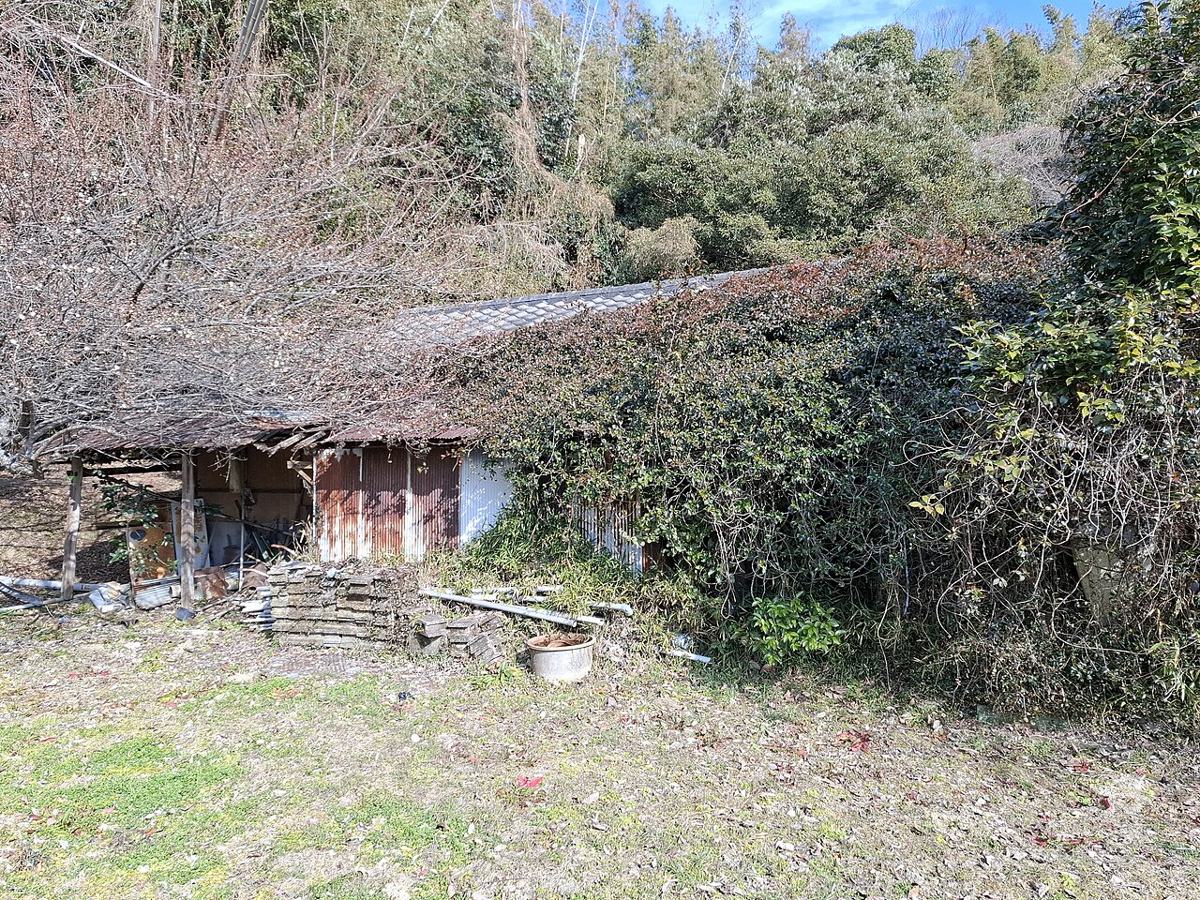
Open in the reader日本で、だれも住んでいない「空き家」が増え続けている。総務省の調査によると、全国の空き家は900万戸で、過去最多になった。住宅全体の13.8%にあたる。
前回の調査(2018年)と比べると、51万戸増えた。1993年には約448万戸だったので、30年間で約2倍になったことになる。
特に問題になっているのは、貸したり売ったりする予定がなく、どう使うかが決まっていない空き家だ。こうした家は385万戸あり、これも過去最多である。
空き家が増える一番の理由は、人口が減ることと、お年寄りが増えていることだ。親が亡くなった後、子どもが遠くに住んでいて、実家をそのままにしてしまうことが多い。
空き家をそのままにしておくと、建物が古くなって倒れる危険がある。ごみを捨てられたり、火事が起きたりする心配もあり、近所の人にとって大きな迷惑になる。
国は法律を変えて、管理の悪い空き家の持ち主の税金を高くできるようにした。一方、空き家を安く買って直し、店や宿として利用する若い人も増えている。
空き家を「問題」で終わらせず、地域の資源として使えるようにするにはどうすればいいか、考えていく必要がある。
Words in this article
The 32 words at JLPT N3 or above, and the specialist words that are on no JLPT list.
| Word | Reading | Meaning | JLPT |
|---|---|---|---|
| 増え続ける | ふえつづける | to keep increasing | Not on JLPT lists |
| 増え続けている | ふえつづけている | keeps increasing | Not on JLPT lists |
| 空き家 | あきや | vacant house | Not on JLPT lists |
| 全国 | ぜんこく | the whole country | N3 |
| 万戸 | まんこ | ten thousand houses (counter) | Not on JLPT lists |
| 住んでいない | すんでいない | not living (there) | Not on JLPT lists |
| 住んでいて | すんでいて | living (there), and | Not on JLPT lists |
| 調査 | ちょうさ | survey | N3 |
| 過去最多 | かこさいた | record high (number) | Not on JLPT lists |
| 住宅 | じゅうたく | housing; homes | N3 |
| 全体 | ぜんたい | the whole | N3 |
| 前回 | ぜんかい | the previous time | Not on JLPT lists |
| 約 | やく | about; approximately | N3 |
| お年寄り | おとしより | elderly people | Not on JLPT lists |
| 子ども | こども | child | Not on JLPT lists |
| 実家 | じっか | one's parents' home | Not on JLPT lists |
| 古くなって | ふるくなって | getting old, and | Not on JLPT lists |
| 迷惑 | めいわく | nuisance; trouble | N3 |
| 管理 | かんり | management; upkeep | N3 |
| 持ち主 | もちぬし | owner | Not on JLPT lists |
| 税金 | ぜいきん | tax | N3 |
| 一方 | いっぽう | on the other hand | N3 |
| 直し | なおし | fixing; repairing | Not on JLPT lists |
| 宿 | やど | inn; lodging | N3 |
| 終わらせず | おわらせず | without letting (it) end | Not on JLPT lists |
| 地域 | ちいき | region; community | N3 |
| 資源 | しげん | resource | N3 |
| 減る | へる | to decrease | N3 |
| 使える | つかえる | can use; usable | Not on JLPT lists |
| 考えていく | かんがえていく | to keep thinking about | Not on JLPT lists |
| しておく | to leave (it) (as it is) | Not on JLPT lists | |
| すれば | if (one) does | Not on JLPT lists |
46 more words from lower levels, plus names, numbers and grammar
| Word | Reading | Meaning | JLPT |
|---|---|---|---|
| 30年間 | さんじゅうねんかん | 30 years | Number |
| 増えている | ふえている | is increasing | N4 from 増える |
| 増える | ふえる | to increase | N4 |
| 増えた | ふえた | increased | N4 from 増える |
| 日本 | にほん | Japan | Name |
| 総務省 | そうむしょう | Ministry of Internal Affairs and Communications | Name |
| 年間 | ねんかん | years (duration) | Number |
| 比べる | くらべる | to compare | N4 |
| 倍 | ばい | times; -fold | Number |
| 特に | とくに | especially | N4 |
| 問題 | もんだい | problem | N5 |
| 貸したり | かしたり | renting out, and so on | N5 from 貸す |
| 売ったり | うったり | selling, and so on | N5 from 売る |
| 予定 | よてい | plan | N4 |
| 決まっていない | きまっていない | is not decided | N4 from 決まる |
| 家 | いえ | house | N5 |
| 一番 | いちばん | number one; the most | N5 |
| 理由 | りゆう | reason | N4 |
| 人口 | じんこう | population | N4 |
| 親 | おや | parent | N4 |
| 亡くなった | なくなった | passed away | N4 from 亡くなる |
| 後 | あと | after | N5 |
| 遠く | とおく | far away | N4 |
| 多い | おおい | many; frequent | N5 |
| 建物 | たてもの | building | N5 |
| 倒れる | たおれる | to fall down; to collapse | N4 |
| 危険 | きけん | danger | N4 |
| 捨てられたり | すてられたり | having (garbage) dumped, and so on | N4 from 捨てる |
| 火事 | かじ | fire | N4 |
| 起きたり | おきたり | happening, and so on | N5 from 起きる |
| 心配 | しんぱい | worry | N4 |
| 近所 | きんじょ | neighborhood | N4 |
| 大きな | おおきな | big | N5 |
| 国 | くに | the state; country | N5 |
| 法律 | ほうりつ | law | N4 |
| 悪い | わるい | bad | N5 |
| 高く | たかく | high (adv.) | N5 from 高い |
| 安く | やすく | cheaply | N5 from 安い |
| 買って | かって | buying | N5 from 買う |
| 店 | みせ | shop | N5 |
| 利用 | りよう | use | N4 |
| 若い | わかい | young | N5 |
| 使う | つかう | to use | N5 |
| 変えて | かえて | changing (from 変える) | N4 from 変える |
| 必要 | ひつよう | necessary; need | N4 |
| どう | how | N5 |
Questions
Try answering in Japanese, then open the answer to check yourself. In the reader, your answers and score are saved.
- 総務省の調査で、全国の空き家はどのぐらいあることが分かりましたか。
Show answer
900万戸で、過去最多でした。住宅全体の13.8%にあたります。
9 million homes, a record high: 13.8% of all housing.
- 30年前と比べて、空き家の数はどう変わりましたか。
Show answer
1993年の約448万戸から、30年間で約2倍になりました。
From about 4.48 million in 1993, it roughly doubled in 30 years.
- 特に問題になっているのは、どんな空き家ですか。
Show answer
貸したり売ったりする予定がなく、どう使うかが決まっていない空き家です。385万戸あります。
Empty homes with no plan to rent or sell them and no decided use: 3.85 million of them.
- 空き家が増える一番の理由は何ですか。
Show answer
人口が減ることと、お年寄りが増えていることです。
Population decline and an aging society.
- 空き家をそのままにしておくと、どんな危険や心配がありますか。
Show answer
建物が古くなって、倒れる危険があります。ごみを捨てられたり、火事が起きたりする心配もあります。
Old buildings may collapse. Illegal dumping and fires are also concerns.
- 国は何をしましたか。また、若い人はどのように空き家を利用していますか。
Show answer
法律を変えて、管理の悪い空き家の持ち主の税金を高くできるようにしました。若い人は、空き家を安く買って直し、店や宿として利用しています。
The law was revised so owners of poorly managed empty homes can be taxed more. Young people buy them cheaply, renovate them, and use them as shops or inns.
If you're new to Japanese, the Textbook teaches it step by step from zero. If you can't read kana yet, start with Starter.
Start from zero Lesson 1 (N5)More N3 reading
- 夜に出発して朝に着く新幹線、12月に走る 2026年11月19日
- ツルの数の調査、今年も1万羽より多く 2026年11月18日
- 白菜が高い、鍋の季節なのに 2026年11月17日
- インフルエンザが、今年は早くから広がっている 2026年11月11日
- 寒い季節の前に、火事に注意しよう 2026年11月10日
- 紅葉の様子を、情報で確かめてから公園へ 2026年11月9日