Reading › N3 › 寒い季節の前に、火事に注意しよう
寒い季節の前に、火事に注意しよう
Written for learners with AI assistance, based on: 浜松市(消防局) · original source ↗
In the reader you can tap any word to see its reading, meaning and JLPT level, save the ones you don't know, and quiz yourself on them.
Open in the reader11月9日から15日までの1週間、全国で「秋の火災予防運動」が行われている。火事を防ぐための運動だ。寒くなって空気が乾くこの時期は、火事が起きやすい。一人一人に、火の使い方に注意してもらうことが目的だ。
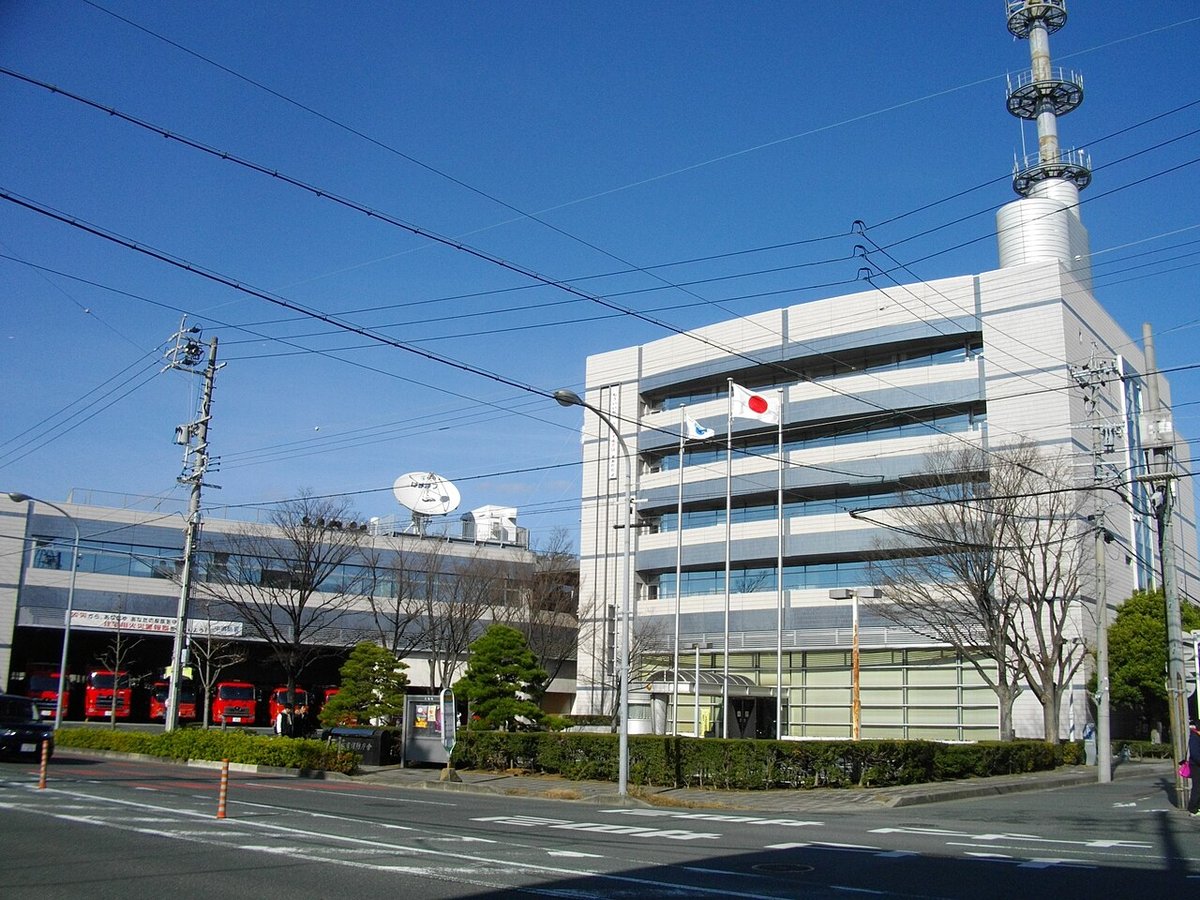
静岡県の浜松市消防局は、運動が始まる9日の朝、消防局の前と、近くの国道にかかる歩道橋の上で、旗を持って立つと発表した。通り過ぎる人たちに、火事に注意するよう知らせるためだ。
浜松市では、今年は9月の終わりまでに、火事が140件あった。去年の同じ時期は153件だったので、多少減ったことになる。原因でいちばん多かったのはたばこで、17件だった。次に多かったのは、外で葉やごみなどを焼く火だった。
9日には、お菓子の会社の人気キャラクター「かにぱんお姉さん」が、一日だけ消防長になる。消防車がすぐに出る訓練を見たり、火事の実験をしたりして、火の怖さを多くの人に伝える。
近頃は、ストーブや鍋など、火を使うことが増えてきた。たばこの火は最後まで消す。ストーブの近くに燃える物を置かない。料理の間は、鍋から離れない。こうした小さなことで、火事は防げる。
家族や近所の人と、お互いに声をかけることも大切だ。この1週間に、家の中を一度見て回ってはどうだろうか。
Words in this article
The 34 words at JLPT N3 or above, and the specialist words that are on no JLPT list.
| Word | Reading | Meaning | JLPT |
|---|---|---|---|
| 全国 | ぜんこく | the whole country; nationwide | N3 |
| 火災 | かさい | fire (a building fire) | N3 |
| 予防 | よぼう | prevention | N3 |
| 防ぐ | ふせぐ | to prevent; to protect against | N3 |
| なって | becoming (te-form of なる) | Not on JLPT lists | |
| 時期 | じき | time; season; period | N3 |
| 起きやすい | おきやすい | likely to happen (from 起きる) | Not on JLPT lists |
| 一人一人 | ひとりひとり | each person; one by one | N3 |
| 使い方 | つかいかた | way of using | Not on JLPT lists |
| もらう | to have (someone) do | Not on JLPT lists | |
| 目的 | もくてき | purpose; aim | N3 |
| 国道 | こくどう | national road; national highway | Not on JLPT lists |
| 歩道橋 | ほどうきょう | pedestrian bridge (over a road) | Not on JLPT lists |
| 旗 | はた | flag | N3 |
| 発表した | はっぴょうした | announced (past of 発表する) | N3 from 発表 |
| 通り過ぎる | とおりすぎる | to pass by | N3 |
| 人たち | ひとたち | people | Not on JLPT lists |
| 多少 | たしょう | a little; somewhat | N3 |
| 減った | へった | decreased (past of 減る) | N3 from 減る |
| たばこ | cigarettes; tobacco | Not on JLPT lists | |
| 人気 | にんき | popular; popularity | N3 |
| キャラクター | character (mascot) | Not on JLPT lists | |
| 消防長 | しょうぼうちょう | fire chief | Not on JLPT lists |
| 消防車 | しょうぼうしゃ | fire engine | Not on JLPT lists |
| 訓練 | くんれん | training; drill | N3 |
| 実験 | じっけん | experiment | N3 |
| したり | doing (and so on) (from する) | Not on JLPT lists | |
| 近頃 | ちかごろ | these days; lately | N3 |
| 鍋 | なべ | pot; pan | N3 |
| 燃える | もえる | to burn | N3 |
| 離れない | はなれない | do not leave; stay near (from 離れる) | N3 from 離れる |
| 防げる | ふせげる | can be prevented (from 防ぐ) | Not on JLPT lists |
| お互いに | おたがいに | each other; mutually | N3 from お互い |
| どうだろうか | how about ...?; why not ...? | Not on JLPT lists |
97 more words from lower levels, plus names, numbers and grammar
| Word | Reading | Meaning | JLPT |
|---|---|---|---|
| から | from | Grammar | |
| まで | until | Grammar | |
| の | 's; of | Grammar | |
| 1週間 | いっしゅうかん | one week | Number |
| で | in; at; by | Grammar | |
| 秋 | あき | autumn; fall | N5 |
| 運動 | うんどう | campaign; movement | N4 |
| が | (subject marker) | Grammar | |
| 行われている | おこなわれている | is being held (from 行う) | N4 from 行う |
| 火事 | かじ | fire (in a house or building) | N4 |
| を | (object marker) | Grammar | |
| ための | for (the purpose of) | Grammar | |
| だ | is (plain) | Grammar | |
| 寒く | さむく | cold (from 寒い) | N5 from 寒い |
| 空気 | くうき | air | N4 |
| 乾く | かわく | to get dry | N4 |
| この | this | N5 | |
| は | (topic marker) | Grammar | |
| に | to; at; in; on | Grammar | |
| 火 | ひ | fire; flame | N4 |
| 注意して | ちゅういして | being careful (te-form of 注意する) | N4 from 注意 |
| こと | thing; (makes a verb a noun) | Grammar | |
| 静岡県 | しずおかけん | Shizuoka Prefecture | Name |
| 浜松市 | はままつし | Hamamatsu City (in Shizuoka) | Name |
| 消防局 | しょうぼうきょく | fire department (of a city) | Name |
| 始まる | はじまる | to begin; to start | N5 |
| 朝 | あさ | morning | N5 |
| 前 | まえ | front; in front of | N5 |
| と | and; with; (quoting) that | Grammar | |
| 近く | ちかく | nearby; near | N5 |
| かかる | to span; to be built over (a road) | N5 | |
| 上 | うえ | on; on top of | N5 |
| 持って | もって | holding (te-form of 持つ) | N5 from 持つ |
| 立つ | たつ | to stand | N5 |
| 注意する | ちゅういする | to be careful; to pay attention | N4 from 注意 |
| よう | so that; (asking) to | Grammar | |
| 知らせる | しらせる | to let know; to inform | N4 |
| ためだ | it is in order to | N4 from ため | |
| では | in; at (topic) | N5 | |
| 今年 | ことし | this year | N5 |
| 終わり | おわり | end | N4 |
| までに | by (a time) | Grammar | |
| 140件 | ひゃくよんじゅっけん | 140 cases | Number |
| あった | there were (past of ある) | N5 from ある | |
| 去年 | きょねん | last year | N5 |
| 同じ | おなじ | same | N5 |
| 153件 | ひゃくごじゅうさんけん | 153 cases | Number |
| だった | was | Grammar | |
| ので | so; because | Grammar | |
| ことになる | it means that; it turns out that | Grammar | |
| 原因 | げんいん | cause | N4 |
| いちばん | most | N5 | |
| 多かった | おおかった | was many (past of 多い) | N5 from 多い |
| のは | the one that ... (is) | Grammar | |
| 17件 | じゅうななけん | 17 cases | Number |
| 次に | つぎに | next | N5 from 次 |
| 外 | そと | outside | N5 |
| 葉 | は | leaf; leaves | N4 |
| や | and (among others) | Grammar | |
| ごみ | trash; garbage | N4 | |
| など | and so on; such as | Grammar | |
| 焼く | やく | to burn | N4 |
| お菓子 | おかし | sweets; snacks | N5 |
| 会社 | かいしゃ | company | N5 |
| かにぱんお姉さん | かにぱんおねえさん | Kanipan Oneesan (a company mascot) | Name |
| 一日 | いちにち | one day | Number |
| だけ | only; just | Grammar | |
| なる | to become | N5 | |
| すぐに | right away; immediately | N5 | |
| 出る | でる | to go out; to set off | N5 |
| 見たり | みたり | seeing (and so on) (from 見る) | N5 from 見る |
| して | doing (te-form of する) | Grammar | |
| 怖さ | こわさ | fear; how frightening something is | N4 from 怖い |
| 多く | おおく | many | N5 from 多い |
| 伝える | つたえる | to tell; to pass on | N4 |
| ストーブ | heater; stove | N5 | |
| 使う | つかう | to use | N5 |
| 増えてきた | ふえてきた | has been increasing (from 増える) | N4 from 増える |
| 最後 | さいご | the end; last | N4 |
| 消す | けす | to put out (a fire) | N5 |
| 物 | もの | thing; things | N5 |
| 置かない | おかない | do not put (from 置く) | N5 from 置く |
| 料理 | りょうり | cooking | N5 |
| 間 | あいだ | while; during | N4 |
| こうした | such; these | N4 from こう | |
| 小さな | ちいさな | small | N5 |
| 家族 | かぞく | family | N5 |
| 近所 | きんじょ | neighborhood | N4 |
| 声 | こえ | voice (声をかける = to speak to someone) | N5 |
| かける | to call out (声をかける) | N5 | |
| も | also; too | Grammar | |
| 大切 | たいせつ | important | N5 |
| 家 | いえ | house; home | N5 |
| 中 | なか | inside | N5 |
| 一度 | いちど | once | N4 |
| 見て | みて | looking (te-form of 見る) | N5 from 見る |
| 回って | まわって | going around (te-form of 回る) | N4 from 回る |
Questions
Try answering in Japanese, then open the answer to check yourself. In the reader, your answers and score are saved.
- 秋の火災予防運動は、いつからいつまでですか。
Show answer
11月9日から15日までの1週間です。
It is the one week from November 9 to 15.
- なぜこの時期に、火事に注意する運動をするのですか。
Show answer
寒くなって空気が乾くこの時期は、火事が起きやすいからです。
Because in this season, when it gets cold and the air gets dry, fires happen easily.
- 浜松市消防局は、9日の朝、どこで何をしますか。
Show answer
消防局の前と、近くの国道にかかる歩道橋の上で、旗を持って立ちます。通り過ぎる人たちに、火事に注意するよう知らせます。
Staff stand holding flags in front of the fire department and on a pedestrian bridge over a nearby national road, telling people passing by to be careful about fire.
- 浜松市では、今年9月の終わりまでに、火事は何件ありましたか。去年と比べて、どうですか。
Show answer
140件ありました。去年の同じ時期は153件だったので、多少減りました。
There were 140. The same period last year had 153, so the number went down a little.
- かにぱんお姉さんは、9日に何をしますか。
Show answer
一日だけ消防長になります。消防車がすぐに出る訓練を見たり、火事の実験をしたりして、火の怖さを伝えます。
She becomes fire chief for one day. She watches a drill where fire engines set off right away and does a fire experiment, to show people how frightening fire is.
- あなたは、家で火を使うとき、どんなことに注意していますか。
Example answer
わたしは、料理の間は鍋から離れないようにしています。寝る前には、ストーブの火を必ず消します。
I make sure not to leave the pot while cooking, and I always turn off the heater before going to bed.
If you're new to Japanese, the Textbook teaches it step by step from zero. If you can't read kana yet, start with Starter.
Start from zero Lesson 1 (N5)More N3 reading
- 夜に出発して朝に着く新幹線、12月に走る 2026年11月19日
- ツルの数の調査、今年も1万羽より多く 2026年11月18日
- 白菜が高い、鍋の季節なのに 2026年11月17日
- インフルエンザが、今年は早くから広がっている 2026年11月11日
- 紅葉の様子を、情報で確かめてから公園へ 2026年11月9日
- AIが、ごみの瓶を分ける 2026年11月8日