Reading › N1 › 抑留で亡くなった10人、名簿の照合で身元判明 遺族に残された時間は
抑留で亡くなった10人、名簿の照合で身元判明 遺族に残された時間は
Written for learners with AI assistance, based on: 厚生労働省 · original source ↗
In the reader you can tap any word to see its reading, meaning and JLPT level, save the ones you don't know, and quiz yourself on them.
Open in the reader厚生労働省は11月6日、旧ソ連とモンゴルで抑留中に亡くなった日本人のうち、10月に新たに10人の身元を特定したと発表した。内訳は、シベリア地域が8人、モンゴル地域が2人である。同省は、ロシア連邦政府などから提供された名簿と日本側の資料を照合しており、特定した人の氏名(漢字)と出身地を、同省のホームページに追加で掲載する。
これにより、シベリア・モンゴル地域で個人が特定された死亡者は、累計で41,270人に達した。内訳は、シベリア地域が39,718人、モンゴル地域が1,552人である。提供資料に記載された人数は57,061人に上り、その約7割の身元が明らかになった計算だ。もっとも、資料には一部に重複もあり、残る人々の特定は容易ではない。
酷寒の地での強制労働
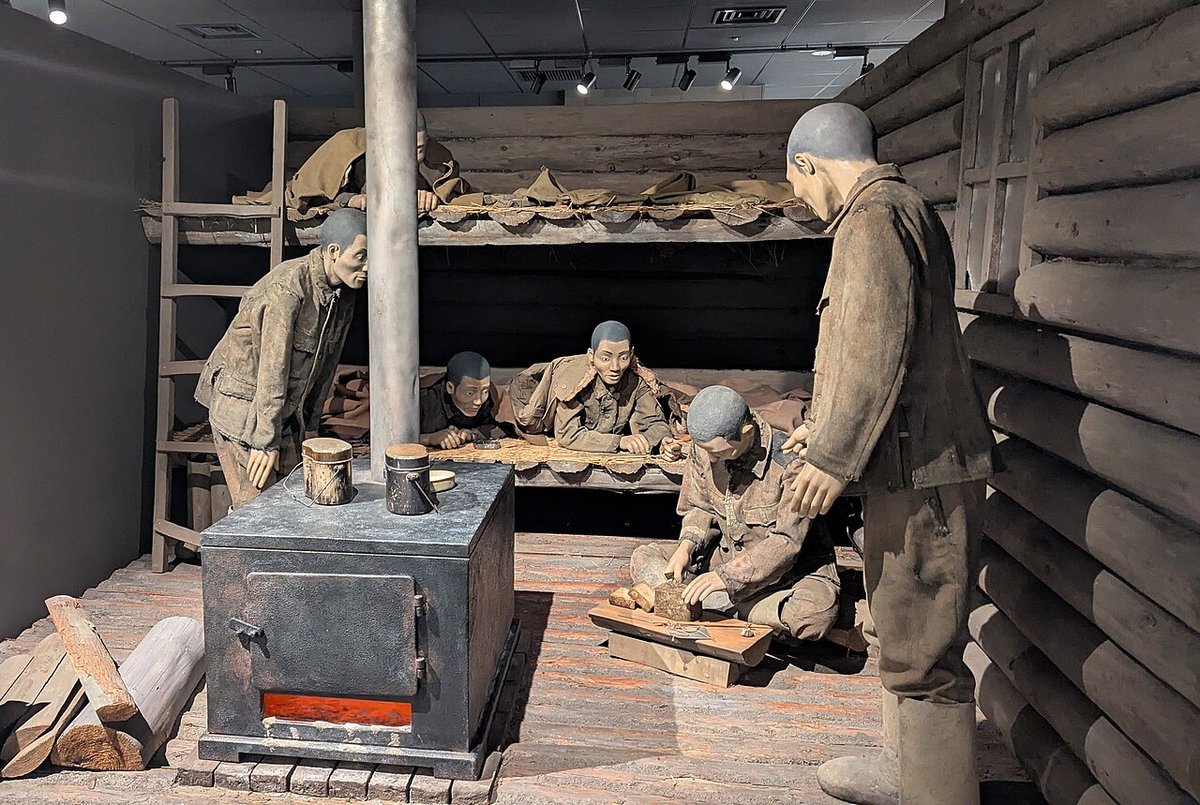
抑留の発端は、昭和20年8月9日の旧ソ連軍の侵攻にさかのぼる。旧日本軍人らが旧ソ連やモンゴル人民共和国(当時)の地域に送られ、強制的に抑留された。同省によれば、その数は約57万5千人に上る。抑留者は戦後、酷寒の地で長期間にわたって劣悪な環境に置かれ、過酷な強制労働に従事させられた。
帰還できた者は、約47万3千人にとどまる。死亡と認められる者は約5万5千人で、このうちモンゴルでの死亡者は約2千人とされる。異国の収容所や病院で命を落とした人々の多くについて、遺族は最期の様子さえ知らされないまま、長い年月が過ぎた。
名簿の照合は、なぜ時間がかかるのか
平成3年、当時のゴルバチョフ・ソ連邦大統領が訪日した際、日本側に約3万7千人分の抑留中死亡者の名簿が提供された。これを皮切りに、ロシア連邦政府やモンゴル国政府などから、名簿のほか、病床日誌やカルテ、死亡証書、埋葬証書といったさまざまな資料が寄せられてきた。いまも、名簿が遺族と抑留をつなぐ。
もっとも、照合は一筋縄ではいかない。ロシア語で記された氏名をカタカナに翻訳すると、本来の読みとかけ離れた表記になっていることが少なくないからだ。今回特定された人の中にも、カタカナの氏名と漢字の氏名とで、読みが大きく異なる例が見られる。死亡場所が記載されていない資料もあり、日本側の資料と一つひとつ突き合わせる地道な作業が欠かせない。
遺族に残された時間
同省は、平成19年3月から死亡者の氏名や死亡年月日などをホームページに掲載し、遺族が親族の死亡の経緯を確かめられるようにしている。資料の写しは、遺族や抑留経験者、その家族が申請すれば、無料で交付される。他方、個人を特定できても、遺族の所在が分からず、知らせることができない例もあり、同省は心当たりのある人に連絡を呼びかけている。
都道府県別に見ると、シベリア地域で特定された死亡者の出身地は、東京都が2,142人で最も多く、北海道の1,753人がこれに次ぐ。抑留が全国の家庭に深い傷を残したことがうかがえる。
資料が提供されていない人や、情報が足りずに消息がつかめない人も、依然として少なくない。同省はロシア連邦政府やモンゴル国政府に対し、引き続き資料の提供を求めている。抑留経験者の多くがすでに世を去り、遺族の高齢化も進む中、残された時間は限られている。一人でも多くの死亡者の身元を明らかにし、その記録を遺族のもとに届けられるかが問われている。
Words in this article
The 99 words at JLPT N1 or above, and the specialist words that are on no JLPT list.
| Word | Reading | Meaning | JLPT |
|---|---|---|---|
| 旧ソ連 | きゅうソれん | the former Soviet Union | Not on JLPT lists |
| 抑留中 | よくりゅうちゅう | while interned; during internment | Not on JLPT lists |
| 身元 | みもと | identity (of a person) | Not on JLPT lists |
| 内訳 | うちわけ | breakdown | N1 |
| 同省 | どうしょう | the ministry (the same ministry) | Not on JLPT lists |
| 提供された | ていきょうされた | provided (from 提供する) | N1 from 提供 |
| 名簿 | めいぼ | list of names; register | N1 |
| 日本側 | にほんがわ | the Japanese side | Not on JLPT lists |
| 照合しており | しょうごうしており | has been checking against (from 照合する) | Not on JLPT lists |
| 出身地 | しゅっしんち | place of origin; home prefecture | Not on JLPT lists |
| ホームページ | website | Not on JLPT lists | |
| 掲載する | けいさいする | to post; to publish | N1 from 掲載 |
| 掲載し | けいさいし | posting (from 掲載する) | Not on JLPT lists |
| これにより | as a result of this | Not on JLPT lists | |
| 死亡者 | しぼうしゃ | person who died; the dead | Not on JLPT lists |
| 累計 | るいけい | cumulative total | Not on JLPT lists |
| 提供資料 | ていきょうしりょう | the records provided | Not on JLPT lists |
| 記載された | きさいされた | recorded; listed (from 記載する) | N1 from 記載 |
| 人数 | にんずう | number of people | Not on JLPT lists |
| 明らかになった | あきらかになった | became clear (from 明らかになる) | Not on JLPT lists |
| 一部 | いちぶ | part; some | N1 |
| 重複 | ちょうふく | duplication; overlap | Not on JLPT lists |
| 人々 | ひとびと | people | Not on JLPT lists |
| 酷寒 | こっかん | severe cold | Not on JLPT lists |
| 強制労働 | きょうせいろうどう | forced labor | Not on JLPT lists |
| 抑留 | よくりゅう | internment; detention | Not on JLPT lists |
| 発端 | ほったん | beginning; origin | Not on JLPT lists |
| 旧ソ連軍 | きゅうソれんぐん | the former Soviet army | Not on JLPT lists |
| 侵攻 | しんこう | invasion | Not on JLPT lists |
| さかのぼる | to go back (in time) | Not on JLPT lists | |
| 旧日本軍人 | きゅうにほんぐんじん | former Japanese soldiers | Not on JLPT lists |
| ら | and others | Not on JLPT lists | |
| 送られ | おくられ | being sent (from 送る) | Not on JLPT lists |
| 強制的 | きょうせいてき | forcible; compulsory | Not on JLPT lists |
| 抑留された | よくりゅうされた | were interned (from 抑留する) | Not on JLPT lists |
| よれば | according to (によれば) | Not on JLPT lists | |
| 抑留者 | よくりゅうしゃ | internee | Not on JLPT lists |
| 戦後 | せんご | after the war | Not on JLPT lists |
| 長期間 | ちょうきかん | long period | Not on JLPT lists |
| わたって | over; spanning (にわたって) | Not on JLPT lists | |
| 劣悪 | れつあく | very poor; inferior | Not on JLPT lists |
| 置かれ | おかれ | being placed (from 置く) | Not on JLPT lists |
| 過酷 | かこく | harsh; severe | Not on JLPT lists |
| 従事させられた | じゅうじさせられた | were made to engage in (from 従事する) | Not on JLPT lists |
| 帰還できた | きかんできた | was able to return home (from 帰還する) | Not on JLPT lists |
| このうち | of these | Not on JLPT lists | |
| 異国 | いこく | foreign country | Not on JLPT lists |
| 収容所 | しゅうようじょ | camp | Not on JLPT lists |
| ついて | about (について) | Not on JLPT lists | |
| 遺族 | いぞく | bereaved family | Not on JLPT lists |
| 最期 | さいご | one's last moments | Not on JLPT lists |
| さえ | even | Not on JLPT lists | |
| 知らされない | しらされない | not being told (from 知らせる) | Not on JLPT lists |
| 照合 | しょうごう | checking; collation | N1 |
| 訪日した | ほうにちした | visited Japan (from 訪日する) | Not on JLPT lists |
| 抑留中死亡者 | よくりゅうちゅうしぼうしゃ | people who died during internment | Not on JLPT lists |
| 皮切り | かわきり | start (を皮切りに = beginning with) | Not on JLPT lists |
| 病床日誌 | びょうしょうにっし | hospital ward records | Not on JLPT lists |
| カルテ | medical chart | N1 | |
| 死亡証書 | しぼうしょうしょ | death certificate | Not on JLPT lists |
| 埋葬証書 | まいそうしょうしょ | burial certificate | Not on JLPT lists |
| つなぐ | to connect; to link | Not on JLPT lists | |
| 一筋縄 | ひとすじなわ | ordinary means (一筋縄ではいかない = is not straightforward) | Not on JLPT lists |
| いかない | does not go (from いく) | Not on JLPT lists | |
| 記された | しるされた | written; recorded (from 記す) | N1 from 記す |
| かけ離れた | かけはなれた | far removed (from かけ離れる) | Not on JLPT lists |
| 表記 | ひょうき | written form; spelling | Not on JLPT lists |
| 死亡場所 | しぼうばしょ | place of death | Not on JLPT lists |
| 記載されていない | きさいされていない | is not recorded (from 記載する) | N1 from 記載 |
| 一つひとつ | ひとつひとつ | one by one | Not on JLPT lists |
| 突き合わせる | つきあわせる | to compare side by side | Not on JLPT lists |
| 地道 | じみち | steady; painstaking | Not on JLPT lists |
| 欠かせない | かかせない | indispensable | Not on JLPT lists |
| 死亡年月日 | しぼうねんがっぴ | date of death | Not on JLPT lists |
| 親族 | しんぞく | relative(s) | Not on JLPT lists |
| 経緯 | けいい | circumstances; how it happened | N1 |
| 写し | うつし | copy | N1 |
| 抑留経験者 | よくりゅうけいけんしゃ | former internee | Not on JLPT lists |
| 申請すれば | しんせいすれば | if one applies (from 申請する) | Not on JLPT lists |
| 交付される | こうふされる | is issued (from 交付する) | N1 from 交付 |
| 他方 | たほう | on the other hand | N1 |
| 特定できても | とくていできても | even if identified (from 特定する) | Not on JLPT lists |
| 所在 | しょざい | whereabouts | N1 |
| 分からず | わからず | not knowing (from 分かる) | Not on JLPT lists |
| 都道府県別 | とどうふけんべつ | by prefecture | Not on JLPT lists |
| うかがえる | can be seen; can be inferred | Not on JLPT lists | |
| 提供されていない | ていきょうされていない | has not been provided (from 提供する) | N1 from 提供 |
| 足りず | たりず | not being enough (from 足りる) | Not on JLPT lists |
| 消息 | しょうそく | news of someone's fate | N1 |
| つかめない | cannot grasp (from つかむ) | Not on JLPT lists | |
| 依然として | いぜんとして | still; as before | Not on JLPT lists |
| 引き続き | ひきつづき | continuously; still | Not on JLPT lists |
| 提供 | ていきょう | provision | N1 |
| 世 | よ | the world (世を去る = to pass away) | N1 |
| 去り | さり | leaving (from 去る) | Not on JLPT lists |
| 高齢化 | こうれいか | aging | Not on JLPT lists |
| 明らかにし | あきらかにし | making clear (from 明らかにする) | Not on JLPT lists |
| もと | (遺族のもとに = to the families) | Not on JLPT lists | |
| 問われている | とわれている | is being questioned (from 問う) | N1 from 問う |
103 more words from lower levels, plus names, numbers and grammar
| Word | Reading | Meaning | JLPT |
|---|---|---|---|
| 厚生労働省 | こうせいろうどうしょう | Ministry of Health, Labour and Welfare | Name |
| モンゴル | Mongolia | Name | |
| 亡くなった | なくなった | died (from 亡くなる) | N4 from 亡くなる |
| 日本人 | にほんじん | Japanese (people) | Name |
| うち | among; of | N4 | |
| 新たに | あらたに | newly | N3 from 新た |
| 特定した | とくていした | identified (from 特定する) | N2 from 特定 |
| 発表した | はっぴょうした | announced (from 発表する) | N3 from 発表 |
| シベリア | Siberia | Name | |
| 地域 | ちいき | region; area | N3 |
| ロシア連邦政府 | ロシアれんぽうせいふ | the government of the Russian Federation | Name |
| など | and others; etc. | Grammar | |
| 資料 | しりょう | records; documents | N2 |
| 氏名 | しめい | full name | N2 |
| 漢字 | かんじ | kanji; Chinese characters | N5 |
| 追加 | ついか | addition (追加で = additionally) | N2 |
| 個人 | こじん | individual | N3 |
| 特定された | とくていされた | was identified (from 特定する) | N2 from 特定 |
| 達した | たっした | reached (from 達する) | N3 from 達する |
| 上り | のぼり | amounting to (from 上る) | N2 |
| 約 | やく | about; approximately | N3 |
| 7割 | ななわり | 70 percent | Number |
| 計算 | けいさん | calculation (計算だ = works out to) | N3 |
| もっとも | however; that said | N3 | |
| 残る | のこる | remaining | N4 |
| 特定 | とくてい | identification | N2 |
| 容易 | ようい | easy | N3 |
| 地 | ち | land; place | N3 |
| 昭和20年 | しょうわにじゅうねん | 1945 (the 20th year of Showa) | Number |
| モンゴル人民共和国 | モンゴルじんみんきょうわこく | the Mongolian People's Republic | Name |
| 当時 | とうじ | at that time | N3 |
| 数 | かず | number | N3 |
| 上る | のぼる | to amount to | N5 |
| 環境 | かんきょう | conditions; environment | N3 |
| 者 | もの | person; people | N3 |
| とどまる | to remain at only | N2 | |
| 死亡 | しぼう | death | N3 |
| 認められる | みとめられる | recognized (from 認める) | N3 from 認める |
| される | is said to be | N5 from する | |
| 病院 | びょういん | hospital | N5 |
| 命 | いのち | life | N3 |
| 落とした | おとした | lost (命を落とす = to lose one's life) | N4 from 落とす |
| 多く | おおく | many; majority | N5 from 多い |
| 様子 | ようす | state; circumstances | N3 |
| まま | as it is; without change | Grammar | |
| 長い | ながい | long | N5 |
| 過ぎた | すぎた | passed (from 過ぎる) | N4 from 過ぎる |
| なぜ | why | N5 | |
| 時間 | じかん | time | Number |
| かかる | to take (time) | N5 | |
| 平成3年 | へいせいさんねん | 1991 (the 3rd year of Heisei) | Number |
| ゴルバチョフ | Gorbachev | Name | |
| ソ連邦 | ソれんぽう | the Soviet Union | Name |
| 大統領 | だいとうりょう | president | N3 |
| 際 | さい | when; on the occasion of | N3 |
| モンゴル国政府 | モンゴルこくせいふ | the government of Mongolia | Name |
| ほか | besides; other than | N5 | |
| といった | such as | Grammar | |
| さまざま | various | N3 | |
| 寄せられてきた | よせられてきた | have been sent in (from 寄せる) | N2 from 寄せる |
| いまも | even now | N5 from いま | |
| ロシア語 | ロシアご | Russian (language) | Name |
| カタカナ | katakana | N2 | |
| 翻訳する | ほんやくする | to translate | N4 from 翻訳 |
| 本来 | ほんらい | original; proper | N2 |
| 読み | よみ | reading (of a name) | N3 |
| 少なくない | すくなくない | not few; many | N5 from 少ない |
| 今回 | こんかい | this time | N3 |
| 中 | なか | among; inside | N5 |
| 大きく | おおきく | greatly | N5 from 大きい |
| 異なる | ことなる | to differ | N3 |
| 例 | れい | example; case | N3 |
| 見られる | みられる | can be seen | N5 from 見る |
| 作業 | さぎょう | work; task | N3 |
| 残された | のこされた | remaining; left (from 残す) | N3 from 残す |
| 平成19年 | へいせいじゅうくねん | 2007 (the 19th year of Heisei) | Number |
| 確かめられる | たしかめられる | can confirm (from 確かめる) | N3 from 確かめる |
| 家族 | かぞく | family | N5 |
| 無料 | むりょう | free of charge | N3 |
| 知らせる | しらせる | to inform | N4 |
| できない | cannot | N5 from できる | |
| 心当たり | こころあたり | knowledge of; having an idea about | N2 |
| 連絡 | れんらく | contact | N4 |
| 呼びかけている | よびかけている | is calling on (from 呼びかける) | N2 from 呼びかける |
| 見る | みる | to look at | N5 |
| 東京都 | とうきょうと | Tokyo (Metropolis) | Name |
| 最も | もっとも | most | N4 |
| 北海道 | ほっかいどう | Hokkaido | Name |
| 次ぐ | つぐ | to rank next; to follow | N2 |
| 全国 | ぜんこく | the whole country | N3 |
| 家庭 | かてい | household; family | N5 |
| 深い | ふかい | deep | N4 |
| 傷 | きず | wound; scar | N3 |
| 残した | のこした | left (from 残す) | N3 from 残す |
| 情報 | じょうほう | information | N3 |
| に対し | にたいし | toward; to (に対し) | Grammar |
| 求めている | もとめている | is requesting (from 求める) | N3 from 求める |
| すでに | already | N3 | |
| 進む | すすむ | to advance; to progress | N4 |
| 限られている | かぎられている | is limited (from 限る) | N3 from 限る |
| 一人 | ひとり | one person | Number |
| 記録 | きろく | record | N3 |
| 届けられる | とどけられる | can deliver (from 届ける) | N4 from 届ける |
Questions
Try answering in Japanese, then open the answer to check yourself. In the reader, your answers and score are saved.
- 厚生労働省は、11月6日にどのようなことを発表しましたか。
Show answer
旧ソ連とモンゴルで抑留中に亡くなった日本人のうち、10月に新たに10人の身元を特定したと発表しました。内訳は、シベリア地域が8人、モンゴル地域が2人です。
It announced that in October it had newly identified 10 Japanese people who died while interned in the former Soviet Union and Mongolia: 8 in the Siberia region and 2 in the Mongolia region.
- シベリア・モンゴル地域で、これまでに個人が特定された死亡者は何人ですか。その内訳も答えてください。
Show answer
累計で41,270人です。内訳は、シベリア地域が39,718人、モンゴル地域が1,552人です。
A cumulative 41,270 people: 39,718 in the Siberia region and 1,552 in the Mongolia region.
- 抑留はどのようにして始まり、抑留者はどのような環境に置かれましたか。
Show answer
昭和20年8月9日の旧ソ連軍の侵攻によって、旧日本軍人らが旧ソ連やモンゴル人民共和国(当時)の地域に送られ、強制的に抑留されました。抑留者は、酷寒の地で長期間にわたって劣悪な環境に置かれ、過酷な強制労働に従事させられました。
With the Soviet invasion of August 9, 1945 (Showa 20), former Japanese soldiers and others were sent to the Soviet Union and the then Mongolian People's Republic and forcibly interned. They were kept for long periods in terrible conditions in severe cold and made to do harsh forced labor.
- 平成3年には、どのようなことがありましたか。
Show answer
当時のゴルバチョフ・ソ連邦大統領が訪日した際、日本側に約3万7千人分の抑留中死亡者の名簿が提供されました。
When Soviet President Gorbachev visited Japan, a list of about 37,000 people who died in internment was given to the Japanese side.
- 名簿の照合が「一筋縄ではいかない」のはなぜですか。
Show answer
ロシア語で記された氏名をカタカナに翻訳すると、本来の読みとかけ離れた表記になっていることが少なくないからです。また、死亡場所が記載されていない資料もあり、日本側の資料と一つひとつ突き合わせる地道な作業が欠かせないからです。
Because names written in Russian, when rendered in katakana, often come out far from their real readings, and some records do not state the place of death, so each one must be painstakingly checked against Japanese records.
- 同省は、遺族のためにどのような取り組みをしていますか。
Show answer
平成19年3月から死亡者の氏名や死亡年月日などをホームページに掲載しています。また、遺族や抑留経験者、その家族が申請すれば、資料の写しを無料で交付しています。遺族の所在が分からない例については、心当たりのある人に連絡を呼びかけています。
Since March 2007 it has posted the names and dates of death on its website. It issues copies of the records free of charge to families and former internees who apply, and asks anyone with information to get in touch when it cannot find the families.
- 戦後長い年月が過ぎた今も、抑留中の死亡者の身元を明らかにする作業を続けることには、どのような意味があると思いますか。あなたの考えを述べてください。
Example answer
(例)遺族にとって、親族の最期の様子を知ることは、長い年月が過ぎても大きな意味があると思います。また、抑留の記録を明らかにすることは、過酷な歴史を次の世代に伝えることにもつながるので、作業は続けるべきだと考えます。
(Example) For families, learning how their relative died still matters greatly, however many years have passed. Making the records clear also passes this harsh history on to the next generation, so I think the work should continue.
If you're new to Japanese, the Textbook teaches it step by step from zero. If you can't read kana yet, start with Starter.
Start from zero Lesson 1 (N5)More N1 reading
- 後発医薬品の安定供給、185社を3区分で評価 半数近くが最低の「C」 2026年11月19日
- 風力発電と希少な鳥は両立できるか 九州の山あいの計画に環境相が意見 2026年11月18日
- 個人消費の足踏み続き、GDPは4四半期ぶりマイナス 7~9月期速報 2026年11月17日
- 家計の悲観と警戒、なおぬぐえず 態度指数、2か月連続の低下 2026年11月10日
- 日本人の減少、加速の一途 1年で85万5千人減り、75歳以上は47万6千人増 2026年11月9日
- 国際線の冬ダイヤ、中国路線が49%減 韓国・台湾便は増加 2026年11月8日