Reading › N1 › クマの出没、春から急増 人身被害は68人、緊急銃猟も38件に
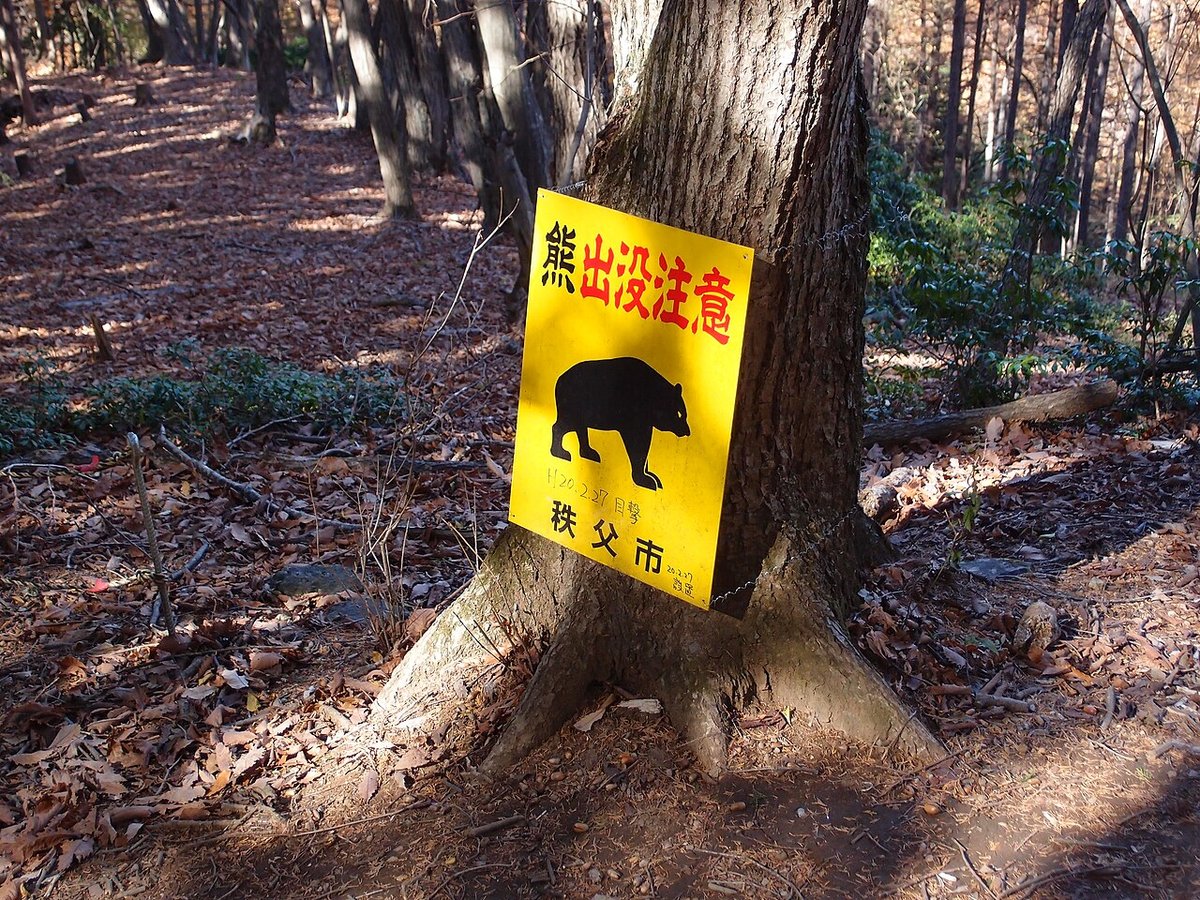
クマの出没、春から急増 人身被害は68人、緊急銃猟も38件に
Written for learners with AI assistance, based on: 環境省 · original source ↗
In the reader you can tap any word to see its reading, meaning and JLPT level, save the ones you don't know, and quiz yourself on them.
Open in the readerクマによる被害が、今年度も後を絶たない。環境省がまとめた速報値によると、令和8年度の4月から9月までの人身被害は64件、被害者は68人に上り、うち6人が死亡した。前年度は被害者が238人、死者が13人に達するなど深刻な被害が相次いだが、今年度も警戒を緩められない状況が続いている。
クマの出没は、なおも頻繁だ。中でも目を引くのは、出没の時期が早まっている点だ。4月の出没件数は1790件と、前年同月の800件の2倍を超えた。5月は4588件、6月は6260件と、いずれも前年を大きく上回った。7月以降は前年を下回ったものの、4月から8月までの累計は1万9789件に達した。冬眠から目覚めた春先から、クマが相次いで人の生活圏に姿を現していることがうかがえる。
市街地での「緊急銃猟」、早くも38件
こうした中、市町村の判断で、市街地でも猟銃を使ってクマなどを駆除できる「緊急銃猟」の実施が相次いでいる。発砲にまで至った事例は、10月29日の時点で38件に上り、制度が導入された前年度の60件の6割を超えた。前年度は秋から冬にかけて実施が集中したことを踏まえれば、今年度の件数はさらに膨らむ恐れがある。
捕獲の数も大幅に増えている。前年度に許可を得て捕獲されたクマは1万4741頭と、令和6年度の5345頭の3倍近くに達した。今年度も、8月末までに4243頭が捕獲された。
木の実の不作で、秋の大量出没に懸念
秋の出没を左右するのが、クマの餌となるブナやドングリといった木の実の実り具合である。環境省によると、今秋は北海道、北関東、近畿、中国地方で実りが悪い。北海道や栃木県、京都府、兵庫県など9道府県が、住民に注意を呼びかけている。冬眠を前に餌を求めるクマが、人里に下りてきて人に危害を加える事態も懸念される。
捕獲の体制強化と、すみ分けの両立を
政府は今年3月、2030年度までの「クマ被害対策ロードマップ」を決定した。クマの捕獲などに従事する自治体職員を2500人と、現在の約3倍に増やすほか、クマを捕らえるわなを1万基、撃退スプレーを2万本に拡充する目標を掲げた。人の生活圏で麻酔銃を用いてクマを捕獲する体制づくりも進めている。
個体数の管理にも踏み込んだ。東北地方では、推定個体数1万9237頭に対し、2030年度に1万2000頭とする目標を暫定的に設定し、今年度は3800頭の捕獲を目指す。増えすぎたクマを減らし、人への被害を未然に防ぐ狙いだ。
もっとも、捕獲だけで問題が解決するわけではない。ロードマップも、放置された果樹など、クマを引き寄せるものの管理を支援するとしている。捕獲を担う人材を確保しつつ、クマを寄せつけない地域づくりをいかに進めるか。人とクマとのすみ分け、ひいては共存のあり方が、改めて問われている。
Words in this article
The 93 words at JLPT N1 or above, and the specialist words that are on no JLPT list.
| Word | Reading | Meaning | JLPT |
|---|---|---|---|
| クマ | くま | bear | Not on JLPT lists |
| 今年度 | こんねんど | this fiscal year | Not on JLPT lists |
| 絶たない | たたない | does not cease (絶つ) | N1 from 絶つ |
| 速報値 | そくほうち | preliminary figures | Not on JLPT lists |
| 人身 | じんしん | the human body; people (人身被害 = injuries to people) | Not on JLPT lists |
| 被害者 | ひがいしゃ | victim | Not on JLPT lists |
| 前年度 | ぜんねんど | the previous fiscal year | Not on JLPT lists |
| 死者 | ししゃ | the dead; deaths | Not on JLPT lists |
| 相次いだ | あいついだ | happened one after another (相次ぐ) | Not on JLPT lists |
| 警戒 | けいかい | vigilance; caution | N1 |
| 緩められない | ゆるめられない | cannot be relaxed (緩める) | N1 from 緩める |
| 出没 | しゅつぼつ | (of an animal) appearing; showing up | Not on JLPT lists |
| 捕獲 | ほかく | capture; catching (an animal) | N1 |
| 急増 | きゅうぞう | sudden increase; surge | Not on JLPT lists |
| 中でも | なかでも | above all; among them | Not on JLPT lists |
| 早まって | はやまって | coming earlier (早まる) | Not on JLPT lists |
| 件数 | けんすう | number of cases | Not on JLPT lists |
| 前年 | ぜんねん | the previous year | Not on JLPT lists |
| 同月 | どうげつ | the same month | Not on JLPT lists |
| 累計 | るいけい | cumulative total | Not on JLPT lists |
| 冬眠 | とうみん | hibernation | N1 |
| 目覚めた | めざめた | woke up (目覚める) | N1 from 目覚める |
| 春先 | はるさき | early spring | Not on JLPT lists |
| 頻繁 | ひんぱん | frequent | N1 |
| うかがえる | can be inferred; can be seen | Not on JLPT lists | |
| 市街地 | しがいち | built-up area; town area | Not on JLPT lists |
| 緊急 | きんきゅう | emergency | N1 |
| 銃猟 | じゅうりょう | hunting with guns (緊急銃猟 = emergency shooting of wild animals in towns) | Not on JLPT lists |
| なおも | still; even now | N1 from なお | |
| 上回った | うわまわった | exceeded (上回る) | N1 from 上回る |
| 下回った | したまわった | fell below (下回る) | Not on JLPT lists |
| 猟銃 | りょうじゅう | hunting gun | Not on JLPT lists |
| 駆除 | くじょ | extermination; getting rid of (pests) | Not on JLPT lists |
| 相次いで | あいついで | one after another (相次ぐ) | Not on JLPT lists |
| 発砲 | はっぽう | firing a gun | Not on JLPT lists |
| 事例 | じれい | case; instance | Not on JLPT lists |
| 時点 | じてん | point in time (の時点で = as of) | Not on JLPT lists |
| 導入された | どうにゅうされた | was introduced (導入する) | N1 from 導入 |
| 踏まえれば | ふまえれば | if one takes into account (踏まえる) | Not on JLPT lists |
| 恐れ | おそれ | fear; risk (恐れがある = there is a risk that) | N1 |
| 大幅 | おおはば | large; substantial | N1 |
| 捕獲された | ほかくされた | was captured (捕獲する) | N1 from 捕獲 |
| 末 | まつ | end (of a month) | Not on JLPT lists |
| 木の実 | このみ | nuts; tree fruit | Not on JLPT lists |
| 不作 | ふさく | poor crop; bad harvest | Not on JLPT lists |
| 大量 | たいりょう | large numbers; mass | Not on JLPT lists |
| 懸念 | けねん | concern; worry | Not on JLPT lists |
| ブナ | ぶな | beech tree | Not on JLPT lists |
| ドングリ | どんぐり | acorn | Not on JLPT lists |
| 実り | みのり | crop; bearing of fruit | Not on JLPT lists |
| 今秋 | こんしゅう | this autumn | Not on JLPT lists |
| 北関東 | きたかんとう | northern Kanto | Not on JLPT lists |
| 人里 | ひとざと | places where people live; villages | Not on JLPT lists |
| きて | coming (来る) | Not on JLPT lists | |
| 危害 | きがい | harm; injury (危害を加える = to harm) | N1 |
| 懸念される | けねんされる | is feared (懸念する) | Not on JLPT lists |
| すみ分け | すみわけ | living apart in separate areas (people and wild animals) | Not on JLPT lists |
| 両立 | りょうりつ | achieving both at once | N1 |
| ロードマップ | ろーどまっぷ | road map (a plan with steps and dates) | Not on JLPT lists |
| 従事する | じゅうじする | to be engaged in; to work on | N1 from 従事 |
| 自治体 | じちたい | local government | Not on JLPT lists |
| 職員 | しょくいん | staff; employees | N1 |
| わな | trap | Not on JLPT lists | |
| 撃退 | げきたい | driving off; repelling | Not on JLPT lists |
| スプレー | すぷれー | spray | Not on JLPT lists |
| 掲げた | かかげた | set out; put forward (掲げる) | N1 from 掲げる |
| 麻酔 | ますい | anesthesia (麻酔銃 = tranquilizer gun) | N1 |
| 捕獲する | ほかくする | to capture | N1 from 捕獲 |
| 体制づくり | たいせいづくり | building a system | Not on JLPT lists |
| 個体数 | こたいすう | population (number of animals) | Not on JLPT lists |
| 踏み込んだ | ふみこんだ | went further into (踏み込む) | Not on JLPT lists |
| 暫定的 | ざんていてき | provisional | Not on JLPT lists |
| 設定し | せっていし | setting (設定する) | Not on JLPT lists |
| 増えすぎた | ふえすぎた | increased too much (増えすぎる) | Not on JLPT lists |
| 減らし | へらし | reducing (減らす) | Not on JLPT lists |
| 未然 | みぜん | before it happens (未然に防ぐ = to prevent) | Not on JLPT lists |
| わけ | reason (わけではない = it is not the case that) | Not on JLPT lists | |
| 放置された | ほうちされた | left unattended (放置する) | N1 from 放置 |
| 果樹 | かじゅ | fruit tree | Not on JLPT lists |
| 引き寄せる | ひきよせる | to attract; to draw near | Not on JLPT lists |
| もの | thing | Not on JLPT lists | |
| 支援する | しえんする | to support | Not on JLPT lists |
| 担う | になう | to take on; to carry | N1 |
| 人材 | じんざい | personnel; capable people | N1 |
| 確保し | かくほし | securing (確保する) | Not on JLPT lists |
| つつ | while (doing) | Not on JLPT lists | |
| 寄せつけない | よせつけない | keeping away; not letting near (寄せつける) | Not on JLPT lists |
| 地域づくり | ちいきづくり | community building | Not on JLPT lists |
| いかに | how | N1 | |
| ひいては | and by extension; and in turn | Not on JLPT lists | |
| 共存 | きょうぞん | coexistence | N1 |
| あり方 | ありかた | the way something should be | Not on JLPT lists |
| 問われて | とわれて | being questioned (問う) | N1 from 問う |
115 more words from lower levels, plus names, numbers and grammar
| Word | Reading | Meaning | JLPT |
|---|---|---|---|
| 被害 | ひがい | damage; harm (人身被害 = injuries to people) | N3 |
| 後 | あと | after; behind (後を絶たない = to keep happening, without end) | N5 |
| 環境省 | かんきょうしょう | Ministry of the Environment | Name |
| まとめた | compiled; put together | N2 from まとめる | |
| によると | according to | Grammar | |
| 令和8年度 | れいわはちねんど | fiscal year Reiwa 8 (April 2026 to March 2027) | Number |
| 64件 | ろくじゅうよんけん | 64 cases | Number |
| 上り | のぼり | amounting to (に上る = to reach a total of) | N2 |
| うち | of whom; among them | N4 | |
| 死亡した | しぼうした | died (死亡する) | N3 from 死亡 |
| 達する | たっする | to reach | N3 |
| 深刻 | しんこく | serious; grave | N3 |
| 状況 | じょうきょう | situation | N3 |
| 続いて | つづいて | continuing (続く) | N4 from 続く |
| いずれ | either; each (いずれも = all of them; both) | N3 | |
| 目 | め | eye (目を引く = to catch the eye) | N5 |
| 引く | ひく | to pull; to draw | N5 |
| 時期 | じき | time; period; season | N3 |
| 点 | てん | point | N4 |
| 1790件 | せんななひゃくきゅうじゅっけん | 1,790 cases | Number |
| 800件 | はっぴゃくけん | 800 cases | Number |
| 2倍 | にばい | twice; double | Number |
| 超えた | こえた | exceeded (超える) | N2 from 超える |
| 4588件 | よんせんごひゃくはちじゅうはっけん | 4,588 cases | Number |
| 6260件 | ろくせんにひゃくろくじゅっけん | 6,260 cases | Number |
| 大きく | おおきく | greatly; by a wide margin | N5 from 大きい |
| 1万9789件 | いちまんきゅうせんななひゃくはちじゅうきゅうけん | 19,789 cases | Number |
| 達した | たっした | reached (達する) | N3 from 達する |
| 生活圏 | せいかつけん | the area where people live and go about their lives | Name |
| 姿 | すがた | figure; form (姿を現す = to appear) | N3 |
| 現して | あらわして | showing (現す) | N3 from 現す |
| こと | thing; the fact that | Grammar | |
| 早く | はやく | early (早くも = already; as early as) | N5 from 早い |
| 38件 | さんじゅうはっけん | 38 cases | Number |
| こうした | such; like this | N4 from こう | |
| 以降 | いこう | from ... onward; since | N2 |
| ものの | although | Grammar | |
| 中 | なか | amid (こうした中 = under these circumstances) | N5 |
| 市町村 | しちょうそん | cities, towns and villages; municipalities | Name |
| 判断 | はんだん | judgment; decision | N3 |
| 使って | つかって | using (使う) | N5 from 使う |
| できる | can; be able to | N5 | |
| 実施 | じっし | carrying out; implementation | N3 |
| 至った | いたった | reached; came to (に至る) | N3 from 至る |
| 制度 | せいど | system; scheme | N3 |
| 60件 | ろくじゅっけん | 60 cases | Number |
| 6割 | ろくわり | 60 percent | Number |
| 秋 | あき | autumn | N5 |
| 冬 | ふゆ | winter | N5 |
| にかけて | over; from ... into (a period) | Grammar | |
| 集中した | しゅうちゅうした | was concentrated (集中する) | N3 from 集中 |
| 膨らむ | ふくらむ | to swell; to grow larger | N2 |
| 数 | かず | number | N3 |
| 増えて | ふえて | increasing (増える) | N4 from 増える |
| 許可 | きょか | permission; permit | N3 |
| 得て | えて | obtaining (得る) | N3 from 得る |
| 1万4741頭 | いちまんよんせんななひゃくよんじゅういっとう | 14,741 (animals) | Number |
| 令和6年度 | れいわろくねんど | fiscal year Reiwa 6 (April 2024 to March 2025) | Number |
| 5345頭 | ごせんさんびゃくよんじゅうごとう | 5,345 (animals) | Number |
| 3倍近く | さんばいちかく | nearly three times | Number |
| 4243頭 | よんせんにひゃくよんじゅうさんとう | 4,243 (animals) | Number |
| 左右する | さゆうする | to influence; to decide | N3 from 左右 |
| 餌 | えさ | food (for animals); feed | N3 |
| 具合 | ぐあい | condition; state | N4 |
| 北海道 | ほっかいどう | Hokkaido | Name |
| 近畿 | きんき | Kinki (the region around Osaka and Kyoto) | Name |
| 中国 | ちゅうごく | Chugoku (the western region of Honshu) | Name |
| 地方 | ちほう | region | N3 |
| 悪い | わるい | bad; poor | N5 |
| 栃木県 | とちぎけん | Tochigi Prefecture | Name |
| 京都府 | きょうとふ | Kyoto Prefecture | Name |
| 兵庫県 | ひょうごけん | Hyogo Prefecture | Name |
| 道府県 | どうふけん | prefectures (Hokkaido and the prefectures) | Name |
| 住民 | じゅうみん | residents | N3 |
| 注意 | ちゅうい | caution; care | N4 |
| 呼びかけて | よびかけて | calling on; appealing (呼びかける) | N2 from 呼びかける |
| 前 | まえ | before | N5 |
| 求める | もとめる | to seek; to look for | N3 |
| 下りて | おりて | coming down (下りる) | N4 from 下りる |
| 加える | くわえる | to inflict; to add | N3 |
| 事態 | じたい | situation; state of affairs | N3 |
| 体制 | たいせい | system; setup | N2 |
| 強化 | きょうか | strengthening | N2 |
| 政府 | せいふ | the government | N3 |
| 今年 | ことし | this year | N5 |
| 対策 | たいさく | measures; countermeasures | N2 |
| 決定した | けっていした | decided (決定する) | N3 from 決定 |
| 現在 | げんざい | the present; now | N3 |
| 約3倍 | やくさんばい | about three times | Number |
| 増やす | ふやす | to increase | N2 |
| ほか | besides; in addition | N5 | |
| 捕らえる | とらえる | to catch; to capture | N2 |
| 1万基 | いちまんき | 10,000 (traps) | Number |
| 2万本 | にまんぼん | 20,000 (cans) | Number |
| 拡充する | かくじゅうする | to expand | N2 from 拡充 |
| 目標 | もくひょう | goal; target | N3 |
| 銃 | じゅう | gun | N3 |
| 用いて | もちいて | using (用いる) | N3 from 用いる |
| 進めて | すすめて | pushing forward (進める) | N3 from 進める |
| 個体 | こたい | individual (animal) | N2 |
| 管理 | かんり | management; control | N3 |
| 東北 | とうほく | Tohoku (northeastern Honshu) | Name |
| 推定 | すいてい | estimated; estimate | N2 |
| 1万9237頭 | いちまんきゅうせんにひゃくさんじゅうななとう | 19,237 (animals) | Number |
| に対し | にたいし | against; compared with | Grammar |
| 1万2000頭 | いちまんにせんとう | 12,000 (animals) | Number |
| 3800頭 | さんぜんはっぴゃくとう | 3,800 (animals) | Number |
| 目指す | めざす | to aim for | N2 |
| 防ぐ | ふせぐ | to prevent | N3 |
| 狙い | ねらい | aim | N2 |
| もっとも | however; that said | N3 | |
| 問題 | もんだい | problem | N5 |
| 解決する | かいけつする | to solve | N3 from 解決 |
| 進める | すすめる | to push forward | N3 |
| 改めて | あらためて | anew; once again | N2 |
Questions
Try answering in Japanese, then open the answer to check yourself. In the reader, your answers and score are saved.
- 令和8年度の4月から9月までに、クマによる人身被害はどのくらい起きましたか。
Show answer
人身被害は64件、被害者は68人に上り、うち6人が死亡しました。
There were 64 incidents with 68 victims, 6 of whom died.
- 今年度のクマの出没には、前年と比べてどのような特徴がありますか。
Show answer
出没の時期が早まっています。4月の出没件数は1790件と、前年同月の800件の2倍を超えました。
Bears are appearing earlier: April sightings reached 1,790, more than double the 800 of the same month a year before.
- 「緊急銃猟」とはどのような制度で、今年度の実施状況はどうなっていますか。
Show answer
市町村の判断で、市街地でも猟銃を使ってクマなどを駆除できる制度です。今年度は10月29日の時点で38件に上り、前年度の60件の6割を超えました。
It lets a city, town or village decide to use hunting guns to kill a bear even in a built-up area. As of October 29 there had been 38 cases this year, more than 60 percent of last year's 60.
- 秋の大量出没が懸念されているのはなぜですか。
Show answer
北海道、北関東、近畿、中国地方で、クマの餌となる堅果類の実りが悪いからです。冬眠を前に餌を求めるクマが、人里に下りてくるおそれがあります。
Because the nut crop that bears feed on is poor in Hokkaido, northern Kanto, Kinki and Chugoku. Bears looking for food before hibernation may come down to where people live.
- 「クマ被害対策ロードマップ」では、捕獲の体制についてどのような目標が掲げられていますか。
Show answer
クマの捕獲などに従事する自治体職員を2500人と現在の約3倍に増やし、わなを1万基、撃退スプレーを2万本に拡充する目標です。
To roughly triple the number of local government staff who catch bears, to 2,500, and to expand traps to 10,000 and repellent sprays to 20,000.
- 記事は、捕獲のほかにどのような取り組みが必要だと述べていますか。
Show answer
放置された果樹など、クマを引き寄せるものを管理し、クマを寄せつけない地域づくりを進めることです。
Managing things that attract bears, such as abandoned fruit trees, and building communities that keep bears away.
- 人とクマのすみ分けを進めるために、地域の住民にできることは何だと、あなたは考えますか。理由も述べてください。
Example answer
例:家の周りの柿や栗の実を早めに取り、ごみを外に置かないようにすることが大切だと思います。クマを引き寄せるものを減らせば、捕獲に頼らずに被害を防げるからです。
Example: I think it matters to pick persimmons and chestnuts around the house early and not leave garbage outside. If there is less to attract bears, damage can be prevented without relying on capture.
If you're new to Japanese, the Textbook teaches it step by step from zero. If you can't read kana yet, start with Starter.
Start from zero Lesson 1 (N5)More N1 reading
- 後発医薬品の安定供給、185社を3区分で評価 半数近くが最低の「C」 2026年11月19日
- 風力発電と希少な鳥は両立できるか 九州の山あいの計画に環境相が意見 2026年11月18日
- 個人消費の足踏み続き、GDPは4四半期ぶりマイナス 7~9月期速報 2026年11月17日
- 抑留で亡くなった10人、名簿の照合で身元判明 遺族に残された時間は 2026年11月11日
- 家計の悲観と警戒、なおぬぐえず 態度指数、2か月連続の低下 2026年11月10日
- 日本人の減少、加速の一途 1年で85万5千人減り、75歳以上は47万6千人増 2026年11月9日