Reading › N1 › サンマはなぜ獲れなくなったのか——海水温上昇でも外国漁船でもない、資源管理という原因
サンマはなぜ獲れなくなったのか——海水温上昇でも外国漁船でもない、資源管理という原因
Written for learners with AI assistance, based on reporting by 東洋経済オンライン(2026年9月12日・片野 歩) · original source ↗
In the reader you can tap any word to see its reading, meaning and JLPT level, save the ones you don't know, and quiz yourself on them.
Open in the reader世界の漁業が成長を続ける中で、日本だけが例外として魚が獲れなくなっている。この状況は、世界銀行やFAOといった国際的な機関が公表している数字を見れば客観的かつ明確に分かる。ところが我が国では、魚が減っていく本当の理由について誤報が数多く出回っており、議論の出発点そのものがずれてしまっている。
意見や考え方はさまざまであってしかるべきだ。しかし「前提」が異なっていては、話がかみ合わない。水産資源管理に関して「何をどうするべきかがこれだけはっきりしているのに、なぜ進まないのか」という問いは、全国の関係者からもマスコミからも繰り返し寄せられている。その答えは単純で、魚が消えていく「前提」が誤報によって捻じ曲げられているからだ。前提が歪んでいれば、科学的根拠に基づく数量管理は進まない。
この構図には、変えにくい理由もある。学会などで今の日本の資源管理を自画自賛する声が受け入れられやすいのは、それが行政が何もしない理由になり得るからだ。業界紙にもミスリードや誤った記述が数多く見受けられる。研究者の中には、間違いだと分かっていても同調圧力のために言えないという人が少なくない。その結果として魚が減り、地方が疲弊していく。代償を払うのは、結局のところ国民である。
資源量は昨年比6割減の43万トン
記事の筆者は、水産物の買い付けを通じて、水産業を成長産業にしている国々をはじめ世界各地の資源管理の現場を見てきた人物だ。その経験から見ると、このまま進めば「海水温上昇や外国漁船が悪いという報道は何だったのか」「なぜもっと早く正しい対策をしなかったのか」と後悔する日が来る、と警告している。時計の針は元に戻らない。だからこそ、国際的な視点から資源管理への理解を深め、ミスリードに気付ける目を持つ必要があるという。
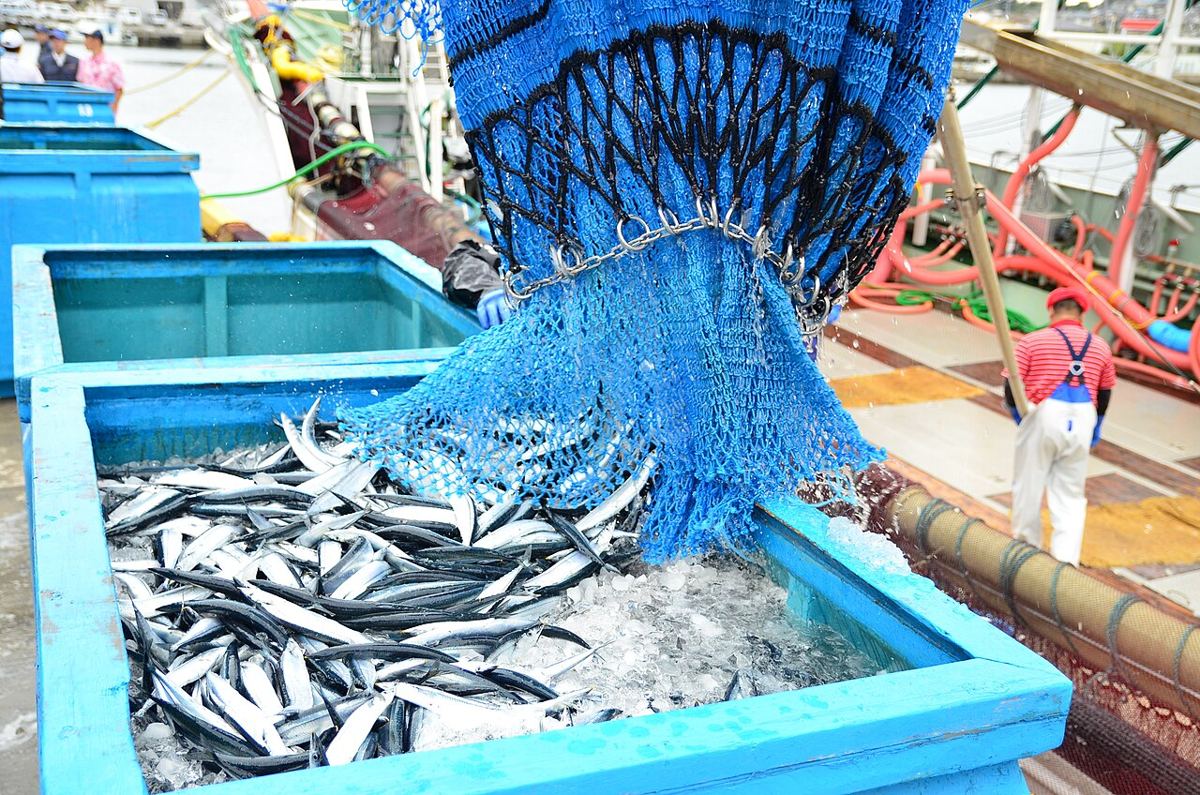
2026年8月10日、サンマの棒受け網漁が解禁され、主要漁場である公海での操業が始まった。昨年は魚体が大きく、水揚げも比較的多かったと記憶している人は多いだろう。しかし今年の資源調査の結果は厳しい。今年の漁獲対象となる海域(1区と2区)の資源量は、昨年の6割減にあたる43万トンまで減少し、サイズも小型化していた。
国際的には、資源が減れば漁獲枠を削減するのが常識で、「予防的アプローチ」と呼ばれる。ところが日本では、昨年のスルメイカで2回にわたって増枠が行われたように、獲らせる方向への圧力やミスリードはあっても、資源減少に合わせて漁獲枠を減らそうという話はなかなか出てこない。こうしてさまざまな魚が減り続けている。
黒潮大蛇行が解消されても来遊量は少ない
サンマは主にどこで獲られているのか。2025年の全漁獲量16.6万トンのうち、約74%にあたる12.3万トンは公海で漁獲された。一方で昨年、2017年から7年9カ月にわたって続いていた黒潮大蛇行が解消され、その影響でサンマ漁が回復したという報道が度々あった。
しかし、サンマの主な漁場と黒潮大蛇行の影響を受ける海域との間に、相関性はほとんど見られない。今年も黒潮大蛇行は解消されたままだが、サンマの来遊量は少ないという調査結果が出ている。ミスリードが生む矛盾は枚挙に暇がなく、しかもミスリードする側が主流であるため誤解が広がり、資源量の減少による水揚げの減少が止まらない。
海水温や海流のような、人間が直接制御できない環境要因や、他国の影響ばかりに責任転嫁するべきではない。資源量に最も大きな影響を与えるのは「漁業」そのものであり、海水温は上げ下げできなくても、漁業の圧力を減らすことはできる。実際、漁業を成長産業にしている国々の関係者と資源管理について話すとき、議題になるのは漁業の圧力をどう調整するかであって、海水温や海流の変化はそもそも議題に上がらないという。
日本にできることは何か
サンマ資源を持続的にするうえで、重大なカギを握っているのは日本である。北太平洋漁業委員会(NPFC)での漁獲枠配分交渉を通じて、日本は公海とEEZ(排他的経済水域)の両海域で使えるワイルドカードのような漁獲枠を持っているからだ。
国別の漁獲枠を見ると、台湾と中国という1万トン以上を漁獲している国々の消化率は、それぞれ98.4%、97.9%とほぼ100%に達しており、これ以上の減枠には抵抗する立場にある。一方、サンマを漁獲している6カ国・地域のうち、決められた枠を上回っているのは日本だけで、消化率は135.9%にのぼる。ただし、これは合意違反ではない。日本には公海の枠のほかにEEZの枠があり、合計9.6万トンの枠に対する漁獲実績は約6.5万トン(消化率68%)にとどまっているからだ。
2026年の漁獲枠は前年比5%減の19.2万トン、日本は4%減の9.2万トンと決まった。しかし資源量はすでに前年比6割減で、サイズも小さいという日本自身の調査結果が出ている。これを踏まえれば、日本にできることは自国の減枠ではないか。枠がタイトになっている国々は、日本の余っている漁獲枠を当然知っている。そして枠がタイトになると起こりやすいのが漁獲実績の過少申告であることは、世界各地の歴史が物語っている。
日本がリーダーシップを発揮し、自ら効果のある減枠を実施して資源管理の手本を見せるべき時期に来ている。獲りすぎてしまってからでは「後悔先に立たず」である。
Words in this article
The 142 words at JLPT N1 or above, and the specialist words that are on no JLPT list.
| Word | Reading | Meaning | JLPT |
|---|---|---|---|
| 消え | きえ | disappearing (and ...) (from 消える) | Not on JLPT lists |
| 減り続け | へりつづけ | kept decreasing (and ...) | Not on JLPT lists |
| 獲れなく | とれなく | no longer caught (from 獲れる) | Not on JLPT lists |
| 見れば | みれば | if you look at | Not on JLPT lists |
| かみ合わない | かみあわない | do not mesh; talk past each other | Not on JLPT lists |
| 減り | へり | decreasing (and ...) | Not on JLPT lists |
| を通じて | をつうじて | through; by way of | Not on JLPT lists |
| 減れば | へれば | if it decreases | Not on JLPT lists |
| 減らそう | へらそう | let's reduce; trying to reduce | Not on JLPT lists |
| 側 | がわ | side | N1 |
| 来て | きて | having come (時期に来ている = the time has come) | Not on JLPT lists |
| 我が国 | わがくに | our country; Japan | Not on JLPT lists |
| 誤報 | ごほう | false report; misinformation | Not on JLPT lists |
| 客観的 | きゃっかんてき | objective | Not on JLPT lists |
| 国際的 | こくさいてき | international | Not on JLPT lists |
| 考え方 | かんがえかた | way of thinking; viewpoint | Not on JLPT lists |
| 前提 | ぜんてい | premise; assumption | N1 |
| 水産資源管理 | すいさんしげんかんり | fisheries resource management | Not on JLPT lists |
| マスコミ | the mass media | N1 | |
| 捻じ曲げられて | ねじまげられて | being twisted; being distorted | Not on JLPT lists |
| 科学的 | かがくてき | scientific | Not on JLPT lists |
| 根拠 | こんきょ | grounds; basis; evidence | N1 |
| 科学的根拠 | かがくてきこんきょ | scientific basis; scientific evidence | Not on JLPT lists |
| 数量 | すうりょう | quantity; volume | Not on JLPT lists |
| 数量管理 | すうりょうかんり | quantity-based management (of catch) | Not on JLPT lists |
| 資源管理 | しげんかんり | resource management | Not on JLPT lists |
| 自画自賛 | じがじさん | singing one's own praises; self-congratulation | Not on JLPT lists |
| 行政 | ぎょうせい | administration; the authorities | N1 |
| 業界 | ぎょうかい | the industry; the trade | Not on JLPT lists |
| 業界紙 | ぎょうかいし | trade paper; industry newspaper | Not on JLPT lists |
| ミスリード | misleading (reporting) | Not on JLPT lists | |
| 誤った | あやまった | mistaken; erroneous | N1 from 誤る |
| 記述 | きじゅつ | description; statement (in writing) | N1 |
| 数多く | かずおおく | numerous; in great numbers | Not on JLPT lists |
| 研究者 | けんきゅうしゃ | researcher | Not on JLPT lists |
| 同調 | どうちょう | going along with; falling in line | N1 |
| 同調圧力 | どうちょうあつりょく | peer pressure; pressure to conform | Not on JLPT lists |
| 疲弊 | ひへい | exhaustion; impoverishment | Not on JLPT lists |
| 疲弊して | ひへいして | becoming exhausted; being worn down | Not on JLPT lists |
| 代償 | だいしょう | the price; compensation | Not on JLPT lists |
| 水産物 | すいさんぶつ | marine products; seafood | Not on JLPT lists |
| 買い付け | かいつけ | purchasing; buying (in bulk) | Not on JLPT lists |
| 水産業 | すいさんぎょう | the fisheries industry | Not on JLPT lists |
| 成長産業 | せいちょうさんぎょう | growth industry | Not on JLPT lists |
| 国々 | くにぐに | countries; nations | Not on JLPT lists |
| 海水 | かいすい | seawater | Not on JLPT lists |
| 海水温 | かいすいおん | sea water temperature | Not on JLPT lists |
| 上昇 | じょうしょう | rise; increase | N1 |
| 漁船 | ぎょせん | fishing vessel | N1 |
| 外国漁船 | がいこくぎょせん | foreign fishing vessels | Not on JLPT lists |
| 報道 | ほうどう | news report; media coverage | N1 |
| 後悔 | こうかい | regret | N1 |
| 気付ける | きづける | to be able to notice | Not on JLPT lists |
| 視点 | してん | viewpoint; perspective | N1 |
| サンマ | Pacific saury | Not on JLPT lists | |
| 棒受け網漁 | ぼううけあみりょう | stick-held dip net fishing (for saury) | Not on JLPT lists |
| 解禁 | かいきん | lifting of a ban; opening of the season | Not on JLPT lists |
| 漁場 | ぎょじょう | fishing ground | Not on JLPT lists |
| 公海 | こうかい | the high seas; international waters | Not on JLPT lists |
| 操業 | そうぎょう | (fishing) operations | Not on JLPT lists |
| 昨年 | さくねん | last year | Not on JLPT lists |
| 魚体 | ぎょたい | the body of the fish; fish size | Not on JLPT lists |
| 水揚げ | みずあげ | landings; catch brought ashore | Not on JLPT lists |
| 資源調査 | しげんちょうさ | stock assessment survey | Not on JLPT lists |
| 資源量 | しげんりょう | stock size; resource volume | Not on JLPT lists |
| 漁獲 | ぎょかく | catch; fishing | Not on JLPT lists |
| 漁獲対象 | ぎょかくたいしょう | the target of fishing; what may be caught | Not on JLPT lists |
| 海域 | かいいき | sea area; maritime zone | Not on JLPT lists |
| 小型化 | こがたか | becoming smaller; downsizing | Not on JLPT lists |
| スルメイカ | Japanese flying squid | Not on JLPT lists | |
| 増枠 | ぞうわく | raising the quota | Not on JLPT lists |
| 獲らせる | とらせる | to let (someone) catch | Not on JLPT lists |
| 圧力 | あつりょく | pressure | N1 |
| 減少 | げんしょう | decrease; decline | N1 |
| 資源減少 | しげんげんしょう | decline in the stock | Not on JLPT lists |
| 枠 | わく | quota; frame; limit | N1 |
| 漁獲枠 | ぎょかくわく | catch quota | Not on JLPT lists |
| 削減 | さくげん | reduction; cutting back | N1 |
| 予防的 | よぼうてき | precautionary | Not on JLPT lists |
| 予防的アプローチ | よぼうてきアプローチ | the precautionary approach | Not on JLPT lists |
| 全漁獲量 | ぜんぎょかくりょう | total catch | Not on JLPT lists |
| 大蛇行 | だいだこう | large meander | Not on JLPT lists |
| 黒潮大蛇行 | くろしおだいだこう | the Kuroshio large meander | Not on JLPT lists |
| 解消 | かいしょう | resolution; dissipation | Not on JLPT lists |
| 解消され | かいしょうされ | having been resolved; having dissipated | Not on JLPT lists |
| 主な | おもな | main; principal | Not on JLPT lists |
| 相関性 | そうかんせい | correlation | Not on JLPT lists |
| 調査結果 | ちょうさけっか | survey findings | Not on JLPT lists |
| 来遊量 | らいゆうりょう | the volume of fish migrating in | Not on JLPT lists |
| 枚挙 | まいきょ | enumeration; listing one by one | Not on JLPT lists |
| 暇 | いとま | time to spare; leisure | N1 |
| 広がり | ひろがり | spreading | Not on JLPT lists |
| 主流 | しゅりゅう | the mainstream | Not on JLPT lists |
| 要因 | よういん | factor; cause | N1 |
| 環境要因 | かんきょうよういん | environmental factors | Not on JLPT lists |
| 他国 | たこく | other countries | Not on JLPT lists |
| 責任転嫁 | せきにんてんか | shifting the blame | Not on JLPT lists |
| 関係者 | かんけいしゃ | those involved; people in the field | Not on JLPT lists |
| 制御 | せいぎょ | control | Not on JLPT lists |
| 海流 | かいりゅう | ocean current | N1 |
| 議題 | ぎだい | item on the agenda | N1 |
| 持続的 | じぞくてき | sustainable | Not on JLPT lists |
| カギ | the key (to something) | Not on JLPT lists | |
| 委員会 | いいんかい | committee; commission | Not on JLPT lists |
| 配分 | はいぶん | allocation; distribution | N1 |
| 交渉 | こうしょう | negotiation | N1 |
| 配分交渉 | はいぶんこうしょう | allocation negotiations | Not on JLPT lists |
| 排他的経済水域 | はいたてきけいざいすいいき | exclusive economic zone (EEZ) | Not on JLPT lists |
| 両海域 | りょうかいいき | both sea areas | Not on JLPT lists |
| ワイルドカード | wildcard | Not on JLPT lists | |
| 国別 | くにべつ | by country; country-by-country | Not on JLPT lists |
| 消化率 | しょうかりつ | the rate at which a quota is used up | Not on JLPT lists |
| 上回って | うわまわって | exceeding; going above | N1 from 上回る |
| 合意 | ごうい | agreement | N1 |
| 合意違反 | ごういいはん | a breach of the agreement | Not on JLPT lists |
| 漁獲実績 | ぎょかくじっせき | actual catch recorded | Not on JLPT lists |
| 前年比 | ぜんねんひ | compared with the previous year | Not on JLPT lists |
| 自国 | じこく | one's own country | Not on JLPT lists |
| 減枠 | げんわく | cutting the quota | Not on JLPT lists |
| 当然 | とうぜん | naturally; as a matter of course | Not on JLPT lists |
| 過少 | かしょう | too little; understated | Not on JLPT lists |
| 申告 | しんこく | declaration; reporting | N1 |
| 過少申告 | かしょうしんこく | under-reporting | Not on JLPT lists |
| 世界各地 | せかいかくち | all over the world | Not on JLPT lists |
| リーダーシップ | leadership | Not on JLPT lists | |
| 自ら | みずから | oneself; of one's own accord | Not on JLPT lists |
| 手本 | てほん | a model; an example to follow | N1 |
| 獲りすぎて | とりすぎて | overfishing; catching too much | Not on JLPT lists |
| 後悔 | こうかい | regret | N1 |
| 立たず | たたず | does not stand (後悔先に立たず = it is no use crying over spilt milk) | Not on JLPT lists |
| 獲れなくなっている | とれなくなっている | are becoming uncatchable | Not on JLPT lists |
| 漁 | りょう | fishing; the catch | Not on JLPT lists |
| カ国 | かこく | countries (counter) | Not on JLPT lists |
| 減 | げん | reduction; decrease | Not on JLPT lists |
| 万トン | まんトン | ten thousand tons | Not on JLPT lists |
| タイト | tight | Not on JLPT lists | |
| サイズ | size | N1 | |
| 区 | く | zone; district | N1 |
| 減っていく | へっていく | to go on decreasing | Not on JLPT lists |
| 消えていく | きえていく | to disappear | Not on JLPT lists |
| 起こりやすい | おこりやすい | prone to occur | Not on JLPT lists |
| 受け入れられ | うけいれられ | being accepted | Not on JLPT lists |
129 more words from lower levels, plus names, numbers and grammar
| Word | Reading | Meaning | JLPT |
|---|---|---|---|
| 続ける | つづける | to continue | N4 |
| に関して | にかんして | regarding; about | Grammar |
| 消えて | きえて | disappearing (from 消える) | N5 from 消える |
| 声 | こえ | voice; opinion | N5 |
| 得る | うる | can (なり得る = can become) | N3 |
| 見て | みて | seeing; observing | N5 from 見る |
| 来る | くる | to come | N5 |
| 目 | め | eye(s) (〜目を持つ = to have an eye for) | N5 |
| 2回 | にかい | twice; two times | Number |
| 行われた | おこなわれた | was carried out | N4 from 行う |
| 合わせて | あわせて | in line with (に合わせて) | N3 from 合わせる |
| 出て | でて | coming out (from 出る) | N5 from 出る |
| 続けて | つづけて | continuing (減り続ける = to keep decreasing) | N4 from 続ける |
| 間 | あいだ | between | N4 |
| 話す | はなす | to talk | N5 |
| 上がらない | あがらない | is not raised (議題に上がる = to come up for discussion) | N4 from 上がる |
| 持って | もって | having; holding | N5 from 持つ |
| 中国 | ちゅうごく | China | Name |
| に対する | にたいする | against; relative to | Grammar |
| 世界 | せかい | world | N4 |
| 例外 | れいがい | exception | N2 |
| 状況 | じょうきょう | situation; circumstances | N3 |
| 記事 | きじ | article | N3 |
| 本当 | ほんとう | truth; real | N5 |
| 理由 | りゆう | reason | N4 |
| 明確 | めいかく | clear; definite | N3 |
| 世界銀行 | せかいぎんこう | the World Bank | Name |
| 機関 | きかん | institution; organization | N3 |
| 数字 | すうじ | figures; numbers | N3 |
| 意見 | いけん | opinion; view | N4 |
| 異なって | ことなって | differing; being different | N3 from 異なる |
| 全国 | ぜんこく | the whole country; nationwide | N3 |
| 水産 | すいさん | marine products; fisheries | N2 |
| 資源 | しげん | resources | N3 |
| 管理 | かんり | management; control | N3 |
| 基づく | もとづく | to be based on | N3 |
| 学会 | がっかい | academic society; scholarly conference | N2 |
| 間違い | まちがい | mistake; error | N3 |
| 地方 | ちほう | the regions; the provinces | N3 |
| 払う | はらう | to pay | N4 |
| 国民 | こくみん | the people; citizens | N3 |
| 筆者 | ひっしゃ | the author; the writer | N2 |
| 通じて | つうじて | through; by way of | N3 from 通じる |
| 成長 | せいちょう | growth | N3 |
| 産業 | さんぎょう | industry | N4 |
| 現場 | げんば | the field; the actual site | N3 |
| 外国 | がいこく | foreign country | N5 |
| 対策 | たいさく | countermeasure; policy response | N2 |
| 時計 | とけい | clock; watch | N5 |
| 針 | はり | hand (of a clock); needle | N3 |
| 元 | もと | the original state; the beginning | N3 |
| 理解 | りかい | understanding | N3 |
| 主要 | しゅよう | principal; main | N3 |
| 比較的 | ひかくてき | relatively; comparatively | N2 |
| 記憶 | きおく | memory; recollection | N3 |
| 調査 | ちょうさ | survey; investigation | N3 |
| 対象 | たいしょう | target; subject | N3 |
| 結果 | けっか | result; outcome | N3 |
| 方向 | ほうこう | direction | N3 |
| 常識 | じょうしき | common sense; the accepted norm | N3 |
| 主に | おもに | mainly; chiefly | N3 |
| 続いていた | つづいていた | had been continuing | N4 from 続く |
| 黒潮 | くろしお | the Kuroshio (Japan Current) | Name |
| 影響 | えいきょう | influence; effect | N3 |
| 回復 | かいふく | recovery | N3 |
| 回復した | かいふくした | recovered | N3 from 回復 |
| 度々 | たびたび | repeatedly; time and again | N3 |
| 矛盾 | むじゅん | contradiction; inconsistency | N2 |
| 誤解 | ごかい | misunderstanding | N3 |
| 与える | あたえる | to give; to have (an effect) on | N3 |
| 漁業 | ぎょぎょう | the fishing industry; fisheries | N2 |
| 環境 | かんきょう | environment | N3 |
| 責任 | せきにん | responsibility | N3 |
| 減らす | へらす | to reduce; to cut | N3 |
| 調整 | ちょうせい | adjustment; regulation | N2 |
| 直接 | ちょくせつ | directly | N3 |
| 変化 | へんか | change | N3 |
| 重大 | じゅうだい | grave; of great importance | N3 |
| 握っている | にぎっている | to hold; to have in one's grasp | N3 from 握る |
| 北太平洋 | きたたいへいよう | the North Pacific | Name |
| 北太平洋漁業委員会 | きたたいへいようぎょぎょういいんかい | North Pacific Fisheries Commission (NPFC) | Name |
| 台湾 | たいわん | Taiwan | Name |
| 抵抗 | ていこう | resistance | N3 |
| 立場 | たちば | position; standpoint | N3 |
| 地域 | ちいき | region; area | N3 |
| 決められた | きめられた | decided; set; agreed | N4 from 決める |
| 違反 | いはん | violation; breach | N3 |
| 実績 | じっせき | actual results; track record | N2 |
| とどまって | staying at; remaining within | N2 from とどまる | |
| 余っている | あまっている | left over; surplus | N2 from 余る |
| 歴史 | れきし | history | N4 |
| 物語って | ものがたって | telling; bearing witness to | N2 from 物語る |
| 発揮 | はっき | demonstrating; exercising (ability) | N2 |
| 効果 | こうか | effect; efficacy | N3 |
| 実施 | じっし | implementation; putting into practice | N3 |
| 見せる | みせる | to show | N5 |
| 先 | さき | ahead; beforehand | N5 |
| 日本 | にほん | Japan | Name |
| 魚 | さかな | fish | N5 |
| 原因 | げんいん | cause | N4 |
| 今年 | ことし | this year | N5 |
| 国 | くに | country | N5 |
| カ月 | かげつ | months (counter) | Number |
| 今 | いま | now | N5 |
| 割 | わり | ten percent; a tenth | Number |
| トン | ton | Number | |
| 約 | やく | approximately | N3 |
| 以上 | いじょう | or more; above | N4 |
| 合計 | ごうけい | total | N3 |
| 一方 | いっぽう | on the other hand | N3 |
| 人間 | にんげん | human beings | N3 |
| 方 | かた | person (polite) | N5 |
| 話 | はなし | talk; account | N5 |
| 何 | なに | what | N5 |
| 中 | なか | inside; among | N5 |
| 必要 | ひつよう | necessity; need | N4 |
| 正しい | ただしい | correct; right | N4 |
| 早く | はやく | early; quickly | N5 from 早い |
| 悪い | わるい | bad; at fault | N5 |
| 大きな | おおきな | large | N5 |
| 大きく | おおきく | greatly; large | N5 from 大きい |
| 多い | おおい | many; numerous | N5 |
| 多く | おおく | many; much | N5 from 多い |
| 少ない | すくない | few | N5 |
| 少なくない | すくなくない | not a few; quite a number | N5 from 少ない |
| 分かる | わかる | to understand; to be clear | N5 |
| 減って | へって | decreasing | N3 from 減る |
| 見ると | みると | when one looks at | N5 from 見る |
| 進まない | すすまない | does not move forward | N4 from 進む |
Questions
Try answering in Japanese, then open the answer to check yourself. In the reader, your answers and score are saved.
- 筆者は、日本で魚が減り続けている本当の原因は何だと考えていますか。記事の言葉を使って説明してください。
Show answer
資源管理の問題だと考えています。誤報によって魚が減る「前提」が捻じ曲げられ、科学的根拠に基づく数量管理が進まないことが原因です。
Resource management. Misinformation distorts the "premise" of why fish are disappearing, so science-based catch limits never move forward.
- 「前提」が捻じ曲げられているとはどういう意味ですか。それが資源管理にどのような影響を与えていると筆者は述べていますか。
Show answer
魚が減る本当の理由について誤報が多く、議論の出発点がずれているという意味です。前提が歪んでいると、科学的根拠に基づく数量管理が進まないと述べています。
Much of the reporting on why fish are declining is wrong, so the debate starts from the wrong place. With a distorted premise, science-based catch limits don't advance.
- 2026年のサンマの資源調査では、どのような結果が出ましたか。数字を含めて説明してください。
Show answer
漁獲対象の海域(1区と2区)の資源量は、昨年の6割減にあたる43万トンまで減り、サイズも小型化していました。
The stock in the fishing areas (zones 1 and 2) fell to 430,000 tons, 60% less than last year, and the fish were smaller.
- 黒潮大蛇行とサンマの不漁の関係について、報道と筆者の見方はどう違いますか。
Show answer
報道は、黒潮大蛇行の解消でサンマ漁が回復したと伝えました。筆者は、主な漁場と黒潮大蛇行の影響を受ける海域にはほとんど相関性がないと見ています。今年も大蛇行は解消されたままなのに、来遊量は少ないからです。
Reports said the catch recovered because the Kuroshio meander ended. The author sees almost no link between the main fishing grounds and the meander's area: it is still gone this year, yet few saury arrived.
- 日本の漁獲枠が「ワイルドカードのような」ものだと言われるのはなぜですか。台湾や中国の立場とどう違いますか。
Show answer
日本は、公海とEEZの両方で使える漁獲枠を持っているからです。台湾と中国は消化率がほぼ100%(98.4%、97.9%)で、これ以上の減枠には抵抗する立場にあります。
Because Japan's quota can be used both on the high seas and in its EEZ. Taiwan and China already use almost all of theirs (98.4% and 97.9%) and resist further cuts.
- 日本だけが消化率135.9%となっているのに、それが合意違反ではないのはなぜですか。
Show answer
日本には公海の枠のほかにEEZの枠があり、合計9.6万トンの枠に対する漁獲実績は約6.5万トン(消化率68%)にとどまっているからです。
Japan also has an EEZ quota: against its combined 96,000 tons it caught only about 65,000 tons (68%).
- 筆者が日本に求めている具体的な行動は何ですか。またその理由を説明してください。
Show answer
日本が自ら効果のある減枠を行い、資源管理の手本を見せることです。資源量が前年比6割減でサイズも小さいという日本自身の調査結果があり、獲りすぎてからでは遅いからです。
For Japan to cut its own quota meaningfully and set an example. Its own survey shows the stock down 60% with smaller fish, and once it is overfished it is too late.
If you're new to Japanese, the Textbook teaches it step by step from zero. If you can't read kana yet, start with Starter.
Start from zero Lesson 1 (N5)More N1 reading
- 後発医薬品の安定供給、185社を3区分で評価 半数近くが最低の「C」 2026年11月19日
- 風力発電と希少な鳥は両立できるか 九州の山あいの計画に環境相が意見 2026年11月18日
- 個人消費の足踏み続き、GDPは4四半期ぶりマイナス 7~9月期速報 2026年11月17日
- 抑留で亡くなった10人、名簿の照合で身元判明 遺族に残された時間は 2026年11月11日
- 家計の悲観と警戒、なおぬぐえず 態度指数、2か月連続の低下 2026年11月10日
- 日本人の減少、加速の一途 1年で85万5千人減り、75歳以上は47万6千人増 2026年11月9日