Reading › N4 › 町の銭湯が、東京の大切な建物になりました
町の銭湯が、東京の大切な建物になりました
Written for learners with AI assistance, based on: 東京都(都市整備局) · original source ↗
In the reader you can tap any word to see its reading, meaning and JLPT level, save the ones you don't know, and quiz yourself on them.
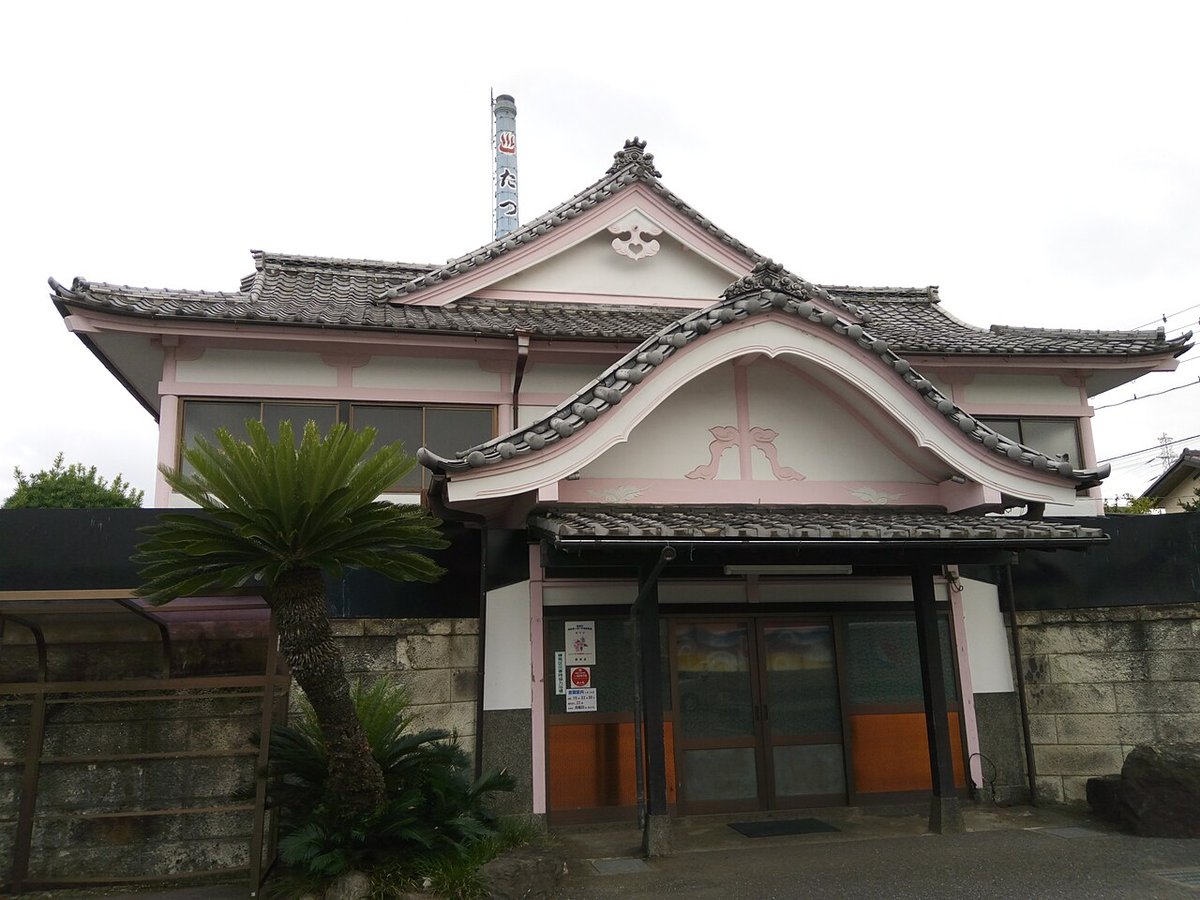
Open in the reader東京都は11月6日、歴史のある古い建物を4件、東京の大切な建物に選びました。そのうち3件は、町の銭湯です。
銭湯は、お金を払って入る、みんなのお風呂です。昔は、家にお風呂がない人が多かったので、どの町にも銭湯がありました。
品川区の大盛湯は、1950年に建てられました。入口がお寺のような特別な形で、庭にはめずらしい石があります。葛飾区の末広湯は1957年に、江戸川区にある銭湯は1956年に建てられました。どれも木で作った2階の建物で、近所の人たちがよく知っている建物です。
もう1件は、大田区にある古い家のカフェです。1933年に建てられました。はじめは、料理の店でした。池上本門寺の近くにあって、お寺といっしょに、昔の町の景色を今に伝えています。
東京都は、このような建物の周り100メートルで新しい建物を建てる人に、昔の景色を大切にしてほしいと言っています。
古い建物は、一度壊すと、もう戻りません。東京都は、町の歴史を次の人たちに伝えることが大事だと考えています。銭湯も、大切な建物なのです。
Words in this article
The 33 words at JLPT N4 or above, and the specialist words that are on no JLPT list.
| Word | Reading | Meaning | JLPT |
|---|---|---|---|
| 歴史 | れきし | history | N4 |
| 選びました | えらびました | chose; selected (polite past of 選ぶ) | N4 from 選ぶ |
| そのうち | of those; among them | Not on JLPT lists | |
| 銭湯 | せんとう | public bathhouse | Not on JLPT lists |
| 払って | はらって | paying (te-form of 払う) | N4 from 払う |
| 昔 | むかし | long ago; in the old days | N4 |
| ない | there is no; not have | Not on JLPT lists | |
| 建てられました | たてられました | was built (passive of 建てる) | Not on JLPT lists |
| 建てる | たてる | to build | N4 |
| お寺 | おてら | temple (Buddhist) | Not on JLPT lists |
| 特別 | とくべつ | special | N4 |
| 形 | かたち | shape | N4 |
| には | in (as for) | Not on JLPT lists | |
| めずらしい | rare; unusual | N4 | |
| 石 | いし | stone; rock | N4 |
| 近所 | きんじょ | neighborhood | N4 |
| 人たち | ひとたち | people | Not on JLPT lists |
| にある | located in | Not on JLPT lists | |
| カフェ | cafe | Not on JLPT lists | |
| といっしょに | together with | Not on JLPT lists | |
| 景色 | けしき | scenery; view | N4 |
| 伝えています | つたえています | passes on; conveys (from 伝える) | N4 from 伝える |
| 伝える | つたえる | to pass on; to convey | N4 |
| このような | this kind of; such | Not on JLPT lists | |
| 周り | まわり | around; surroundings | N4 |
| 一度 | いちど | once | N4 |
| 壊す | こわす | to break; to tear down | N4 |
| 戻りません | もどりません | does not come back (polite negative of 戻る) | N4 from 戻る |
| 大事 | だいじ | important | N4 |
| 考えています | かんがえています | thinks (from 考える) | N4 from 考える |
| なのです | is (explaining) | Not on JLPT lists | |
| してほしい | want (someone) to do | Not on JLPT lists | |
| と言っています | といっています | says; is saying | Not on JLPT lists |
60 more words from lower levels, plus names, numbers and grammar
| Word | Reading | Meaning | JLPT |
|---|---|---|---|
| 東京都 | とうきょうと | Tokyo Metropolitan Government | Name |
| は | (topic marker) | Grammar | |
| の | 's; of | Grammar | |
| ある | there is; having | N5 | |
| 古い | ふるい | old | N5 |
| 建物 | たてもの | building | N5 |
| を | (object marker) | Grammar | |
| 4件 | よんけん | 4 (cases; items) | Number |
| 東京 | とうきょう | Tokyo | Name |
| 大切 | たいせつ | important; precious | N5 |
| な | (links a na-adjective to a noun) | Grammar | |
| に | in; at; to; as | Grammar | |
| 3件 | さんけん | 3 (cases; items) | Number |
| 町 | まち | town; neighborhood | N5 |
| です | is; am; are (polite) | Grammar | |
| お金 | おかね | money | N5 |
| 入る | はいる | to enter; to get into (a bath) | N5 |
| みんな | everyone | N5 | |
| お風呂 | おふろ | bath | N5 |
| 家 | いえ | house; home | N5 |
| が | (subject marker) | Grammar | |
| 多かった | おおかった | there were many (past of 多い) | N5 from 多い |
| ので | because; so | Grammar | |
| どの | which; every (どの…にも = in every …) | N5 | |
| にも | also (in); in every | N5 from に | |
| ありました | there was; there were (polite past of ある) | N5 from ある | |
| 品川区 | しながわく | Shinagawa City (a ward of Tokyo) | Name |
| 大盛湯 | おおもりゆ | Omoriyu (a bathhouse in Shinagawa) | Name |
| 入口 | いりぐち | entrance | N5 |
| ような | like; similar to | Grammar | |
| で | is ... and; at; in; with | Grammar | |
| 庭 | にわ | garden | N5 |
| あります | there is; there are (polite of ある) | N5 from ある | |
| 葛飾区 | かつしかく | Katsushika City (a ward of Tokyo) | Name |
| 末広湯 | すえひろゆ | Suehiroyu (a bathhouse in Katsushika) | Name |
| 江戸川区 | えどがわく | Edogawa City (a ward of Tokyo) | Name |
| どれも | all of them; every one | N5 from どれ | |
| 木 | き | wood; tree | N5 |
| 作った | つくった | made (past of 作る) | N5 from 作る |
| 2階 | にかい | two floors; second floor | Number |
| よく | well; often | N5 | |
| 知っている | しっている | know (from 知る) | N5 from 知る |
| もう | another; (with negative) no longer | N5 | |
| 1件 | いっけん | 1 (case; item) | Number |
| 大田区 | おおたく | Ota City (a ward of Tokyo) | Name |
| 料理 | りょうり | cooking; food | N5 |
| 店 | みせ | shop; restaurant | N5 |
| 池上本門寺 | いけがみほんもんじ | Ikegami Honmonji (a temple in Ota City) | Name |
| 近く | ちかく | near; nearby | N5 |
| あって | being (located), and (te-form of ある) | N5 from ある | |
| 今 | いま | now; today | N5 |
| 100メートル | ひゃくメートル | 100 meters | Number |
| 新しい | あたらしい | new | N5 |
| と | if; when; and | Grammar | |
| 次 | つぎ | next | N5 |
| こと | thing; (making a verb a noun) | Grammar | |
| だ | is (plain) | Grammar | |
| も | also; too | Grammar | |
| はじめ | the beginning; at first | N5 | |
| でした | was; were (polite past) | Grammar |
Questions
Try answering in Japanese, then open the answer to check yourself. In the reader, your answers and score are saved.
- 11月6日に、東京都は何をしましたか。
Show answer
歴史のある古い建物を4件、東京の大切な建物に選びました。
It chose four old buildings with a history as important buildings of Tokyo.
- 選ばれた4件のうち、銭湯はいくつですか。
Show answer
3件です。
Three.
- 昔、どうしてどの町にも銭湯がありましたか。
Show answer
家にお風呂がない人が多かったからです。
Because many people had no bath at home.
- 大田区のカフェは、何年に建てられましたか。はじめは、何の店でしたか。
Show answer
1933年に建てられました。はじめは、料理の店でした。
It was built in 1933. At first, it was a restaurant.
- 東京都は、建物の周り100メートルで新しい建物を建てる人に、何と言っていますか。
Show answer
昔の景色を大切にしてほしいと言っています。
It tells them it wants them to take care of the old scenery.
- あなたは、古い銭湯に行ってみたいですか。どうしてですか。
Example answer
(例)はい、行ってみたいです。古い木の建物の中で、大きなお風呂に入ってみたいからです。
(Example) Yes. I would like to try a big bath inside an old wooden building.
If you're new to Japanese, the Textbook teaches it step by step from zero. If you can't read kana yet, start with Starter.
Start from zero Lesson 1 (N5)More N4 reading
- 座る席が、もっと増えます 2026年11月19日
- 都庁の食堂で、ローマの料理が食べられます 2026年11月18日
- 象の形のカートが、上野動物園にやってきます 2026年11月17日
- オーストラリアから運んだ卵で、ペンギンが生まれました 2026年11月10日
- 日本の「書道」が、世界の文化になりそうです 2026年11月9日
- 年賀状を書く人が、少なくなっています 2026年11月8日