Reading › N2 › 食品ロスは年461万トン――「半減」目標を実現した後に残る問題
食品ロスは年461万トン――「半減」目標を実現した後に残る問題
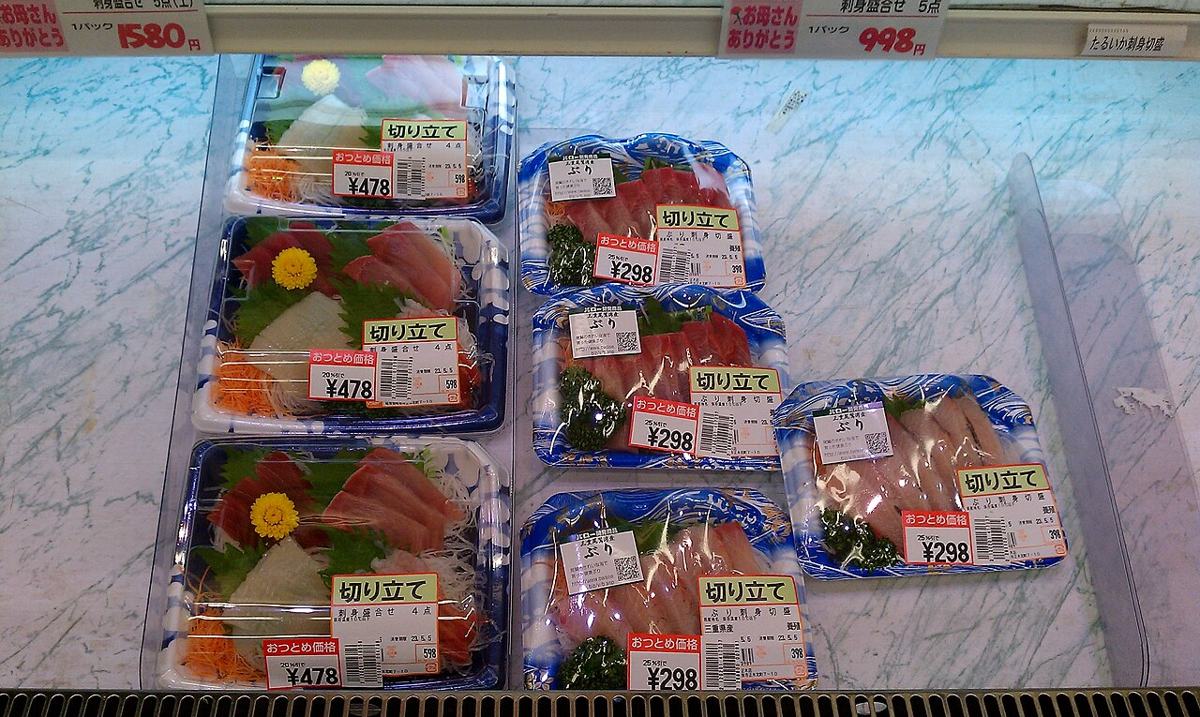
Written for learners with AI assistance, based on: 環境省・農林水産省・消費者庁の推計 · original source ↗
In the reader you can tap any word to see its reading, meaning and JLPT level, save the ones you don't know, and quiz yourself on them.
Open in the readerまだ食べられるのに捨てられてしまう食品、いわゆる「食品ロス」。環境省などが公表した数字によると、2024年度に国内で出た食品ロスは約461万トンで、前年度の464万トンからわずかに減った。
食品ロスは、どこから出るかによって大きく二つに分けられる。食品メーカーや小売店、飲食店など、店や会社から出るものと、家庭から出るものだ。2023年度の中身を見ると、店や会社の分が231万トン、家庭の分が233万トンで、ほぼ半分ずつを占めている。
国民1人あたりにすると、年間およそ37キログラム。毎日、おにぎり1個分ほどの食べ物を捨てている計算になる。
店や会社の分は目標を前倒しで実現
政府は、2000年度を基準に、2030年度までに食品ロスを半減させる目標を立ててきた。店や会社の分については、この目標を8年も前倒しで実現したため、60%減らすことを目指す新たな目標が決められている。
店や会社の分が減ってきた理由には、食品の会社や店が、昔からの仕事のやり方を見直したことがある。賞味期限までの期間が3分の1を過ぎた商品は納品できないとする、いわゆる「3分の1の決まり」を見直したり、賞味期限の表示を「年月日」から「年月」に改めたりする例が広がった。
一方、家庭の分はなかなか減らない。買いすぎや作りすぎ、食べ残しに加え、野菜の皮を厚くむきすぎるといった「過剰除去」も原因に挙げられる。物価が上がって節約意識は強くなっているものの、目立った結果にはつながっていない。
食品ロスを減らすことは、ごみ処理にかかる費用を削ることや、出る温室効果ガスを減らすことにもつながる。必要な分だけ買い、使い切る。一人ひとりの小さな工夫が、結果を左右する段階に入っている。
Words in this article
The 40 words at JLPT N2 or above, and the specialist words that are on no JLPT list.
| Word | Reading | Meaning | JLPT |
|---|---|---|---|
| 削る | けずる | to cut (costs) | N2 |
| やり方 | やりかた | way of doing | Not on JLPT lists |
| 見直した | みなおした | reviewed; reconsidered (past of 見直す) | N2 from 見直す |
| 目立った | めだった | noticeable; that stands out (past of 目立つ) | N2 from 目立つ |
| 食品ロス | しょくひんロス | food loss; food waste | Not on JLPT lists |
| 食品メーカー | しょくひんメーカー | food manufacturer | Not on JLPT lists |
| 万トン | まんトン | ten thousand tons | Not on JLPT lists |
| 半減 | はんげん | halving | Not on JLPT lists |
| 食べ残し | たべのこし | leftovers | Not on JLPT lists |
| 前年度 | ぜんねんど | the previous fiscal year | Not on JLPT lists |
| 国内 | こくない | domestic; within the country | Not on JLPT lists |
| 小売店 | こうりてん | retail shop | Not on JLPT lists |
| 飲食店 | いんしょくてん | restaurant; eating place | Not on JLPT lists |
| 個分 | こぶん | ... pieces' worth | Not on JLPT lists |
| 前倒し | まえだおし | moving up; ahead of schedule | Not on JLPT lists |
| 見直し | みなおし | review; rethinking | Not on JLPT lists |
| 賞味期限 | しょうみきげん | best-before date | Not on JLPT lists |
| 納品 | のうひん | delivery of goods | Not on JLPT lists |
| 表示 | ひょうじ | labeling; display | Not on JLPT lists |
| 買いすぎ | かいすぎ | buying too much | Not on JLPT lists |
| 作りすぎ | つくりすぎ | making too much | Not on JLPT lists |
| 買い | かい | buying (continuative) | Not on JLPT lists |
| 加え | くわえ | in addition to | Not on JLPT lists |
| 過剰除去 | かじょうじょきょ | excessive removal (over-peeling) | Not on JLPT lists |
| 挙げられる | あげられる | is cited | N2 from 挙げる |
| 節約意識 | せつやくいしき | awareness of saving money | Not on JLPT lists |
| 温室効果ガス | おんしつこうかガス | greenhouse gas | Not on JLPT lists |
| 使い切る | つかいきる | to use up | Not on JLPT lists |
| 一人ひとり | ひとりひとり | each and every person | Not on JLPT lists |
| 段階 | だんかい | stage; phase | N2 |
| 公表した | こうひょうした | made public (from 公表する) | N2 from 公表 |
| 中身 | なかみ | contents; breakdown | N2 |
| 目指す | めざす | to aim for | N2 |
| 見直したり | みなおしたり | reviewing (and so on) (from 見直す) | N2 from 見直す |
| 改めたり | あらためたり | revising (and so on) (from 改める) | N2 from 改める |
| なって | becoming (from なる) | Not on JLPT lists | |
| つながっていない | has not led to (from つながる) | N2 from つながる | |
| 工夫 | くふう | small effort; ingenuity | N2 |
| もの | thing(s) | Not on JLPT lists | |
| 基準 | きじゅん | standard; baseline | N2 |
70 more words from lower levels, plus names, numbers and grammar
| Word | Reading | Meaning | JLPT |
|---|---|---|---|
| 数字 | すうじ | figures; numbers | N3 |
| 会社 | かいしゃ | company | N5 |
| 昔 | むかし | long ago; the old days | N4 |
| 仕事 | しごと | business; work | N5 |
| 家庭 | かてい | household; home | N5 |
| 減らす | へらす | to reduce; to cut down | N3 |
| 減ってきた | へってきた | has been decreasing (減る + てくる) | N3 from 減る |
| 減らない | へらない | does not decrease (negative of 減る) | N3 from 減る |
| 決まり | きまり | rule; arrangement | N3 |
| 食品 | しょくひん | food products | N3 |
| 目標 | もくひょう | target; goal | N3 |
| 後 | あと | after | N5 |
| 残る | のこる | to remain | N4 |
| 食べられる | たべられる | can be eaten; edible | N5 from 食べる |
| 食べ物 | たべもの | food | N5 |
| 捨てられてしまう | すてられてしまう | ends up being thrown away | N4 from 捨てる |
| 捨てている | すてている | is throwing away | N4 from 捨てる |
| 環境省 | かんきょうしょう | Ministry of the Environment | Name |
| 年間 | ねんかん | per year; annual | Number |
| 約 | やく | about; approximately | N3 |
| 大きく | おおきく | broadly; greatly | N5 from 大きい |
| 二つ | ふたつ | two | N5 |
| 分けられる | わけられる | can be divided | N3 from 分ける |
| 出る | でる | to come out | N5 |
| 家庭 | かてい | household | N5 |
| 半分 | はんぶん | half | N5 |
| 占めている | しめている | accounts for | N3 from 占める |
| 国民 | こくみん | the people; citizens | N3 |
| キログラム | kilogram | Number | |
| 毎日 | まいにち | every day | N5 |
| 計算 | けいさん | calculation | N3 |
| 政府 | せいふ | government | N3 |
| 新たな | あらたな | new | N3 from 新た |
| 期間 | きかん | period | N3 |
| 分の | ぶんの | (fraction marker) -ths of | N3 from 分 |
| 過ぎた | すぎた | passed; exceeded | N4 from 過ぎる |
| 商品 | しょうひん | goods; products | N3 |
| 広がった | ひろがった | spread | N3 from 広がる |
| 一方 | いっぽう | on the other hand | N3 |
| 野菜 | やさい | vegetables | N5 |
| 皮 | かわ | skin; peel | N3 |
| 厚く | あつく | thickly | N5 from 厚い |
| 原因 | げんいん | cause | N4 |
| 物価 | ぶっか | prices (of goods) | N3 |
| 目 | め | eye(s) | N5 |
| 処理 | しょり | disposal; processing | N3 |
| 費用 | ひよう | cost | N3 |
| 必要 | ひつよう | necessary | N4 |
| 小さな | ちいさな | small | N5 |
| 結果 | けっか | result | N3 |
| 左右 | さゆう | to sway; to determine | N3 |
| 入っている | はいっている | has entered | N5 from 入る |
| 前 | まえ | before | N5 |
| 中 | なか | inside | N5 |
| 減らす | へらす | to reduce | N3 |
| 効果 | こうか | effect | N3 |
| 実現 | じつげん | achieving; realization | N3 |
| 実現した | じつげんした | achieved (from 実現する) | N3 from 実現 |
| 問題 | もんだい | problem; issue | N5 |
| 出た | でた | came out; was produced (from 出る) | N5 from 出る |
| 減った | へった | decreased (from 減る) | N3 from 減る |
| どこ | where | N5 | |
| 見る | みる | to look at | N5 |
| 立ててきた | たててきた | has set (a goal) (from 立てる) | N4 from 立てる |
| 決められている | きめられている | has been decided; is set (from 決める) | N4 from 決める |
| 理由 | りゆう | reason | N4 |
| 例 | れい | case; example | N3 |
| 上がって | あがって | rising (and ...) | N4 from 上がる |
| 強く | つよく | strong (強くなる = to grow stronger) | N5 from 強い |
| 店 | みせ | shop | N5 |
Questions
Try answering in Japanese, then open the answer to check yourself. In the reader, your answers and score are saved.
- 「食品ロス」とは何ですか。2024年度はどのぐらい出ましたか。
Show answer
まだ食べられるのに捨てられてしまう食品のことです。2024年度は約461万トン発生しました。
Food that is thrown away while still edible. About 4.61 million tons in fiscal 2024.
- 食品ロスは、どのように二つに分けられますか。それぞれの割合はどうですか。
Show answer
食品メーカーや小売店、飲食店など、店や会社から出るものと、家庭から出るものです。2023年度は店や会社の分が231万トン、家庭の分が233万トンで、ほぼ半分ずつです。
Business waste (from food makers, stores and restaurants) and household waste. In fiscal 2023 they were 2.31 and 2.33 million tons, about half each.
- 国民1人あたりにすると、どのぐらいの量になりますか。
Show answer
年間およそ37キログラムで、毎日おにぎり1個分ほどです。
About 37 kg a year, roughly one rice ball a day.
- 政府の目標はどのようなものですか。店や会社の分の目標はどうなりましたか。
Show answer
2000年度と比べて、2030年度までに食品ロスを半減させる目標です。店や会社の分はこの目標を8年前倒しで実現したので、60%減らすことを目指す新しい目標になりました。
To halve food loss by fiscal 2030 compared with 2000. Business waste reached that eight years early, so its new target is a 60% cut.
- 店や会社の分が減ってきた理由には、どんな見直しがありましたか。
Show answer
「3分の1の決まり」の見直しや、賞味期限の表示を「年月日」から「年月」に改めることです。
Relaxing the "one-third rule," and changing best-before dates from year-month-day to year-month.
- 家庭の食品ロスの原因として、何が挙げられていますか。
Show answer
買いすぎや作りすぎ、食べ残し、それに野菜の皮を厚くむきすぎる「過剰除去」です。
Buying too much, cooking too much, leftovers, and peeling vegetables too thickly.
- 食品ロスを減らすことは、食べ物をむだにしないことのほかに、どんな効果がありますか。
Show answer
ごみ処理にかかる費用や、温室効果ガスを減らすことにもつながります。
It also reduces waste-disposal costs and greenhouse gas emissions.
If you're new to Japanese, the Textbook teaches it step by step from zero. If you can't read kana yet, start with Starter.
Start from zero Lesson 1 (N5)More N2 reading
- 9月の宿泊、2.6%減――外国からの客は地方で増えた県も 2026年11月19日
- 「名工」に141人――職人の技能を、次の時代へ 2026年11月18日
- 宅配便、1年で51億6178万個に――増える荷物と足りない運転手 2026年11月17日
- 鳥インフルエンザ、今シーズンも野鳥から――国は監視を「レベル3」に 2026年11月11日
- 南極観測へ「しらせ」があす出発――冬を越すのは29人 2026年11月10日
- 夏のボーナス、平均44万8765円に――仕事の種類で金額に大きな差 2026年11月9日