Reading › N2 › 「手書きの習慣は大切」が8割――縦書きを最も大事にするのは10代
「手書きの習慣は大切」が8割――縦書きを最も大事にするのは10代
Written for learners with AI assistance, based on: 文化庁「令和7年度 国語に関する世論調査」 · original source ↗
In the reader you can tap any word to see its reading, meaning and JLPT level, save the ones you don't know, and quiz yourself on them.
Open in the reader文化庁は10月2日、毎年行っている国語についての調査の結果を発表した。全国の16歳以上の人6000人に郵送で質問し、3777人が回答した。スマートフォンやパソコンが普及し、文字を打つのが当たり前になった今、手で字を書く習慣や縦書きの文章を、人々はどう考えているのだろうか。調査の項目には方言や敬語もあるが、ここでは手書きと縦書き、そして話し言葉の変化を見ていく。
日常の生活で文字を手書きする機会が「よくある」「時々ある」と答えた人は、合わせて69.6%だった。そして、手書きの習慣を、これからの時代も「大切にすべきだ」と考える人は80.4%に上った。
理由として最も多く挙げられたのは、「漢字などを正確に覚えることにつながる」で、70.7%。「手書きの文字にはその人らしさが表れ、活字にはない気持ちが伝わる」という答えも68.2%あった。
新年のあいさつのはがきも、今は印刷されたものが多い。それでも、手書きの一言が加えられたものの方が良いという人は82.3%で、全て印刷されたものが良いという人は、わずか3.2%だった。
縦書きを最も大事にするのは、最も若い年代
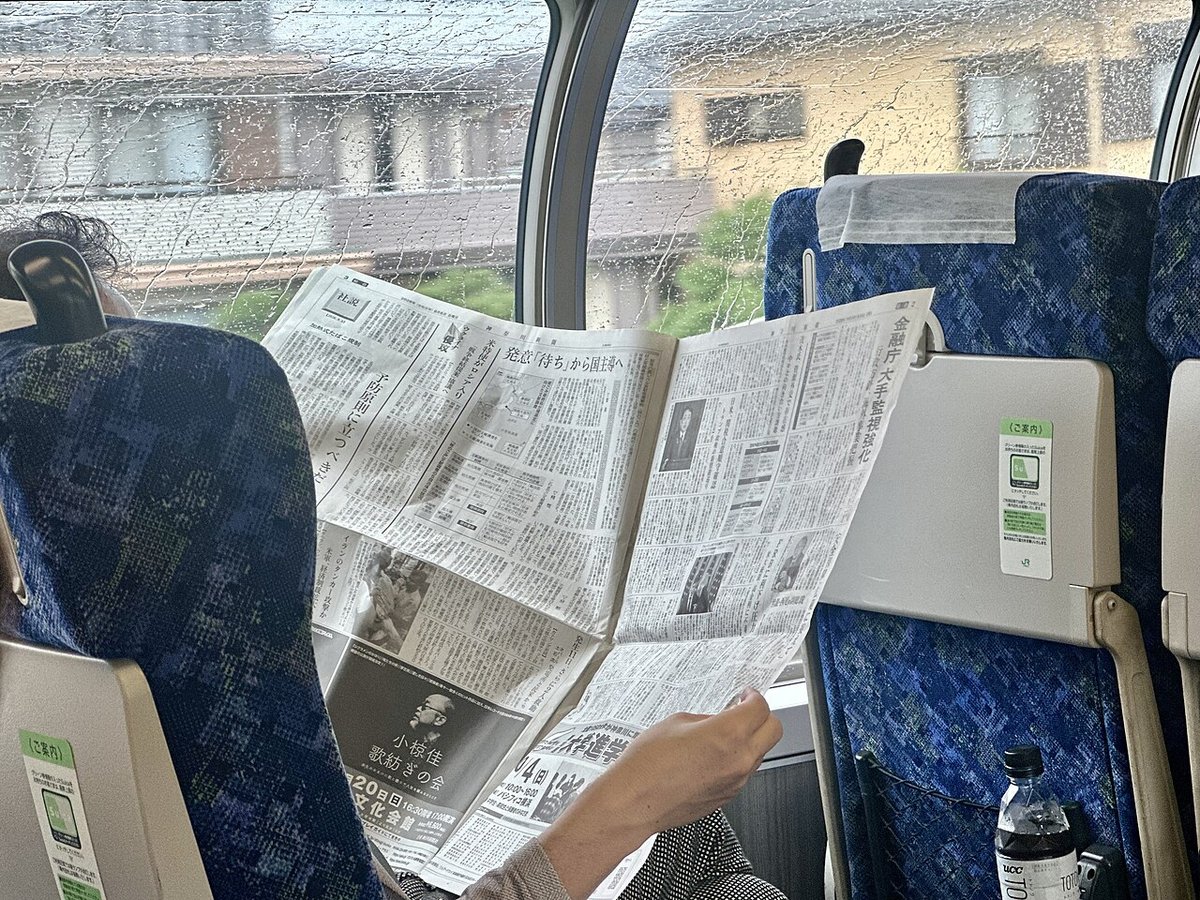
縦書きで文字を読んだり書いたりする機会がある人は67.3%。どこで縦書きに触れるかを聞くと、「紙の本・辞書」が69.6%で最も多く、「紙の新聞」が58.7%、「紙の雑誌」が45.4%と続いた。紙の新聞を挙げた人は年齢が上がるほど多く、70歳以上では8割を超える。
意外なのは、最も若い16歳から19歳の人の結果だ。手書きをする機会がある人は87.5%と、どの年代よりも多かった。縦書きの習慣を大切にすべきだと考える人も、全体では57.8%だったのに対し、この年代では74.1%に上った。いちばん若い人たちが、かえって縦書きを大切にしているのだ。縦書きで読むものとして、教科書を挙げた人も7割を超えている。毎日、学校で教科書を読み、ノートに字を書く生活が、結果に反映しているのだろう。
「見れる」「来れる」は若い人の普通の言い方に
一方、話し言葉では変化が進んでいる。「見られる」を「見れる」、「来られる」を「来れる」と言う、いわゆる「ら抜き言葉」だ。ただし、辞書などでは「見られる」が本来の形とされ、新聞などではほとんど使われていない。ところが、「朝5時に来れますか」を選んだ人は60代以下の年代では過半数に上り、19歳までの若い人では73.2%。「今年は初日の出が見れた」を選んだ人も、19歳までの若い人では81.3%に達した。
手で字を書く機会は、昔より減ったかもしれない。それでも、手書きと縦書きの価値は、なくなっていない。若い人の間でも、その気持ちは割と強い。新年のはがきを書く季節も近い。印刷したはがきに、手書きの一言を加えてみてはどうだろうか。
Words in this article
The 40 words at JLPT N2 or above, and the specialist words that are on no JLPT list.
| Word | Reading | Meaning | JLPT |
|---|---|---|---|
| 郵送 | ゆうそう | mailing; sending by post | N2 |
| 質問し | しつもんし | asked (questions) and (from 質問する) | Not on JLPT lists |
| 回答した | かいとうした | answered; replied (from 回答する) | N2 from 回答 |
| スマートフォン | smartphone | Not on JLPT lists | |
| 当たり前 | あたりまえ | natural; taken for granted | N2 |
| 縦書き | たてがき | vertical writing; writing from top to bottom | Not on JLPT lists |
| 人々 | ひとびと | people | Not on JLPT lists |
| 方言 | ほうげん | dialect | N2 |
| 敬語 | けいご | honorific (polite) language | N2 |
| 手書き | てがき | handwriting; writing by hand | Not on JLPT lists |
| 話し言葉 | はなしことば | spoken language | Not on JLPT lists |
| 見ていく | みていく | to look at (in turn) (from 見る) | Not on JLPT lists |
| 挙げられた | あげられた | was named; was given (as a reason) (from 挙げる) | N2 from 挙げる |
| 上り | のぼり | reached (and) (from 上る) | N2 |
| つながる | to lead to; to be connected | N2 | |
| らしさ | being typical of (その人らしさ = what makes a person who they are) | Not on JLPT lists | |
| 表れ | あらわれ | shows; appears (and) (from 表れる) | Not on JLPT lists |
| 伝わる | つたわる | to be conveyed; to come across | N2 |
| 挙げた | あげた | named; gave (as an answer) (from 挙げる) | N2 from 挙げる |
| 超える | こえる | to exceed; to be more than | N2 |
| 対し | たいし | in contrast to (~のに対し) (from 対する) | Not on JLPT lists |
| 超えている | こえている | is more than (from 超える) | N2 from 超える |
| 反映している | はんえいしている | is reflected (from 反映する) | N2 from 反映 |
| 見れる | みれる | can see (colloquial ら抜き form of 見られる) | Not on JLPT lists |
| 来れる | これる | can come (colloquial ら抜き form of 来られる) | Not on JLPT lists |
| 言い方 | いいかた | way of saying (something) | Not on JLPT lists |
| 来られる | こられる | can come (standard form) | Not on JLPT lists |
| ら抜き言葉 | らぬきことば | "ra-less" words (potential verbs without the ら, e.g. 見れる) | Not on JLPT lists |
| 本来 | ほんらい | original; proper | N2 |
| 来れます | これます | can come (polite; colloquial form of 来られます) | Not on JLPT lists |
| 過半数 | かはんすう | majority; more than half | N2 |
| 普及し | ふきゅうし | spread; became common (and) (from 普及する) | Not on JLPT lists |
| 項目 | こうもく | item; topic (on a list) | N2 |
| かえって | on the contrary; if anything | N2 | |
| たち | (plural marker for people) | Not on JLPT lists | |
| ただし | however; but | N2 | |
| 初日の出 | はつひので | the first sunrise of the year | Not on JLPT lists |
| 見れた | みれた | could see (colloquial form of 見られた) | Not on JLPT lists |
| 活字 | かつじ | printed type; print | N2 |
| 割と | わりと | fairly; relatively | N2 |
104 more words from lower levels, plus names, numbers and grammar
| Word | Reading | Meaning | JLPT |
|---|---|---|---|
| 文化庁 | ぶんかちょう | Agency for Cultural Affairs | Name |
| 毎年 | まいとし | every year | N5 |
| 行っている | おこなっている | is carrying out (from 行う) | N4 from 行う |
| 国語 | こくご | the Japanese language (as a school subject or national language) | N3 |
| 調査 | ちょうさ | survey; investigation | N3 |
| 結果 | けっか | result | N3 |
| 発表した | はっぴょうした | announced (from 発表する) | N3 from 発表 |
| 全国 | ぜんこく | the whole country; nationwide | N3 |
| 以上 | いじょう | or more; and over | N4 |
| パソコン | personal computer | N4 | |
| 文字 | もじ | letter; character; writing | N3 |
| 打つ | うつ | to type; to hit | N4 |
| 今 | いま | now | N5 |
| 手 | て | hand | N5 |
| 字 | じ | character; handwriting | N4 |
| 書く | かく | to write | N5 |
| 習慣 | しゅうかん | habit; custom | N4 |
| 文章 | ぶんしょう | writing; sentences; text | N5 |
| 考えている | かんがえている | are thinking (from 考える) | N4 from 考える |
| 変化 | へんか | change | N3 |
| 日常 | にちじょう | everyday; daily | N3 |
| 生活 | せいかつ | life; daily life | N4 |
| 機会 | きかい | chance; opportunity | N4 |
| 時々 | ときどき | sometimes | N5 |
| 答えた | こたえた | answered (from 答える) | N5 from 答える |
| 合わせて | あわせて | in total; put together (from 合わせる) | N3 from 合わせる |
| 時代 | じだい | era; age; times | N4 |
| 大切 | たいせつ | important; precious | N5 |
| 考える | かんがえる | to think; to consider | N4 |
| 上った | のぼった | reached; amounted to (from 上る) | N5 from 上る |
| 理由 | りゆう | reason | N4 |
| 最も | もっとも | most | N4 |
| 多く | おおく | many; much (as an adverb) | N5 from 多い |
| 漢字 | かんじ | kanji; Chinese characters | N5 |
| 正確 | せいかく | accurate; exact | N3 |
| 覚える | おぼえる | to learn; to remember | N5 |
| 多かった | おおかった | was the most; were many (from 多い) | N5 from 多い |
| に対し | にたいし | whereas; in contrast to | Grammar |
| 印刷した | いんさつした | printed (from 印刷する) | N3 from 印刷 |
| 気持ち | きもち | feeling | N4 |
| 答え | こたえ | answer | N4 |
| 新年 | しんねん | the New Year | Name |
| あいさつ | greeting | N4 | |
| はがき | postcard | N5 | |
| 印刷された | いんさつされた | printed; that was printed (from 印刷する) | N3 from 印刷 |
| 多い | おおい | many; a lot | N5 |
| それでも | even so; still | N3 | |
| ところが | however; and yet | N3 | |
| 一言 | ひとこと | a few words; a single word | N3 |
| 加えられた | くわえられた | added; that was added (from 加える) | N3 from 加える |
| 方 | ほう | (the one that is) more; side (~の方が = rather) | N5 |
| 良い | よい | good; better | N5 |
| 全て | すべて | all; entirely | N3 |
| わずか | only; a mere | N3 | |
| 大事 | だいじ | important; valuable | N4 |
| 若い | わかい | young | N5 |
| 年代 | ねんだい | age group | N3 |
| 読んだり | よんだり | reading and so on (from 読む) | N5 from 読む |
| 書いたり | かいたり | writing and so on (from 書く) | N5 from 書く |
| 触れる | ふれる | to come into contact with; to see (writing) | N3 |
| 聞く | きく | to ask; to hear | N5 |
| 紙 | かみ | paper | N5 |
| 本 | ほん | book | N5 |
| 辞書 | じしょ | dictionary | N5 |
| 新聞 | しんぶん | newspaper | N5 |
| 雑誌 | ざっし | magazine | N5 |
| 続いた | つづいた | followed (from 続く) | N4 from 続く |
| 年齢 | ねんれい | age | N3 |
| 上がる | あがる | to go up; to rise | N4 |
| 意外 | いがい | surprising; unexpected | N3 |
| 全体 | ぜんたい | the whole; overall | N3 |
| 読む | よむ | to read | N5 |
| 教科書 | きょうかしょ | textbook | N3 |
| 毎日 | まいにち | every day | N5 |
| 学校 | がっこう | school | N5 |
| 読み | よみ | read (and) (from 読む) | N3 |
| ノート | notebook | N5 | |
| 普通 | ふつう | ordinary; normal | N4 |
| 一方 | いっぽう | on the other hand | N3 |
| 進んでいる | すすんでいる | is moving forward; is progressing (from 進む) | N4 from 進む |
| 見られる | みられる | can see (standard form) | N5 from 見る |
| 言う | いう | to say | N5 |
| いわゆる | so-called | N3 | |
| 形 | かたち | form; shape | N4 |
| 使われていない | つかわれていない | is not used (from 使う) | N5 from 使う |
| 朝 | あさ | morning | N5 |
| 選んだ | えらんだ | chose (from 選ぶ) | N4 from 選ぶ |
| 以下 | いか | or under; and below | N4 |
| いちばん | the most | N5 | |
| 強い | つよい | strong | N5 |
| 今年 | ことし | this year | N5 |
| 達した | たっした | reached (from 達する) | N3 from 達する |
| 昔 | むかし | the old days; the past | N4 |
| 減った | へった | decreased (from 減る) | N3 from 減る |
| 価値 | かち | value; worth | N3 |
| 季節 | きせつ | season | N4 |
| 近い | ちかい | near; close | N5 |
| 加えて | くわえて | adding (from 加える) | N3 from 加える |
| 10代 | じゅうだい | teens; (people) in their teens | Number |
| 8割 | はちわり | 80 percent | Number |
| 7割 | ななわり | 70 percent | Number |
| 60代 | ろくじゅうだい | (people in) their 60s | Number |
| 間 | あいだ | among; between | N4 |
| 大切に | たいせつに | carefully; with care (from 大切) | N5 from 大切 |
Questions
Try answering in Japanese, then open the answer to check yourself. In the reader, your answers and score are saved.
- この調査は、どんな人に、どのような方法で行われましたか。
Show answer
全国の16歳以上の人6000人に郵送で質問し、3777人が回答しました。
Questions were mailed to 6,000 people aged 16 and over across Japan, and 3,777 answered.
- 手書きの習慣を大切にすべきだと考える人は、どのぐらいいましたか。
Show answer
80.4%の人が、これからの時代も大切にすべきだと考えています。
80.4 percent think it should be kept up in the years to come.
- 手書きを大切にする理由として、どんなことが挙げられましたか。
Show answer
漢字などを正確に覚えることにつながるという理由が最も多く、70.7%でした。手書きの文字にはその人らしさが表れ、気持ちが伝わるという答えも68.2%ありました。
The most common reason (70.7 percent) was that it helps people learn kanji accurately. 68.2 percent said handwriting shows the writer's character and carries feelings.
- 新年のあいさつのはがきについて、人々はどう考えていますか。
Show answer
手書きの一言が加えられたものの方が良いという人が82.3%で、全て印刷されたものが良いという人は、わずか3.2%でした。
82.3 percent prefer cards with a handwritten line added; only 3.2 percent prefer fully printed ones.
- 16歳から19歳の人の結果が「意外」なのはなぜですか。筆者は、その理由をどう考えていますか。
Show answer
手書きをする機会がある人が87.5%と、どの年代よりも多く、縦書きを大切にすべきだと考える人も74.1%だったからです。筆者は、毎日学校で教科書を読み、ノートに字を書く生活が結果に反映していると考えています。
Because 87.5 percent of them have chances to write by hand, more than any other age group, and 74.1 percent think vertical writing should be kept. The writer thinks their daily school life, reading textbooks and writing in notebooks, is reflected in the results.
- 「ら抜き言葉」とは何ですか。若い人の間では、どうなっていますか。
Show answer
「見られる」を「見れる」、「来られる」を「来れる」と言う言い方です。19歳までの若い人では、「来れますか」を選んだ人が73.2%、「見れた」を選んだ人が81.3%でした。
Saying 見れる instead of 見られる and 来れる instead of 来られる. Among people up to 19, 73.2 percent chose 来れますか and 81.3 percent chose 見れた.
- あなたは、手書きの習慣をこれからも大切にすべきだと思いますか。それはなぜですか。
Example answer
(例)大切にすべきだと思います。わたしは日本語を勉強していますが、漢字は手で書かないと、なかなか覚えられないからです。
(Example) I think so. I study Japanese, and I can hardly remember kanji unless I write them by hand.
If you're new to Japanese, the Textbook teaches it step by step from zero. If you can't read kana yet, start with Starter.
Start from zero Lesson 1 (N5)More N2 reading
- 9月の宿泊、2.6%減――外国からの客は地方で増えた県も 2026年11月19日
- 「名工」に141人――職人の技能を、次の時代へ 2026年11月18日
- 宅配便、1年で51億6178万個に――増える荷物と足りない運転手 2026年11月17日
- 鳥インフルエンザ、今シーズンも野鳥から――国は監視を「レベル3」に 2026年11月11日
- 南極観測へ「しらせ」があす出発――冬を越すのは29人 2026年11月10日
- 夏のボーナス、平均44万8765円に――仕事の種類で金額に大きな差 2026年11月9日