Reading › N2 › パックご飯やラムネの輸出も、貿易統計で正確に――9つの品目を新しく分ける
パックご飯やラムネの輸出も、貿易統計で正確に――9つの品目を新しく分ける
Written for learners with AI assistance, based on: 農林水産省 · original source ↗
In the reader you can tap any word to see its reading, meaning and JLPT level, save the ones you don't know, and quiz yourself on them.
Open in the reader農林水産省は10月30日、パックご飯やインスタントのみそ汁、ラムネなどの飲み物が、海外にどれだけ輸出されているかを、来年1月から正確に知ることができるようになると発表した。財務省がまとめる「貿易統計」で、9つの品目が新しく分けて数えられることになったのだ。これで、パックご飯の統計も、もっと正確になる。
輸出は13年連続で最高に
日本の農産物や水産物、食品などの輸出は、伸び続けている。2025年の輸出額は1兆7,005億円で、前の年より12.8%増え、13年連続でこれまでの最高を更新した。日本食への関心が強くなったことや、日本に来た外国人旅行者が日本の味を知ったことなどが、理由として挙げられている。
しかし、政府が目指している「2030年に5兆円」という目標までは、まだ遠い。そのためには、どの品目がどの国でよく売れているのかを細かく調べて、売り方を考える必要がある。
パックご飯だけの数はわからない
ところが、今の貿易統計では、輸出の分け方が輸入に比べて大まかで、品目ごとの細かい数字がわからない。たとえばパックご飯は、米を使ったほかの食品や米粉も含めて、「パックご飯など」として数えられている。この「パックご飯など」の輸出額は、2025年に前の年より31.0%増えた。ただし、そのうちパックご飯がどれだけなのかは、はっきりしない。
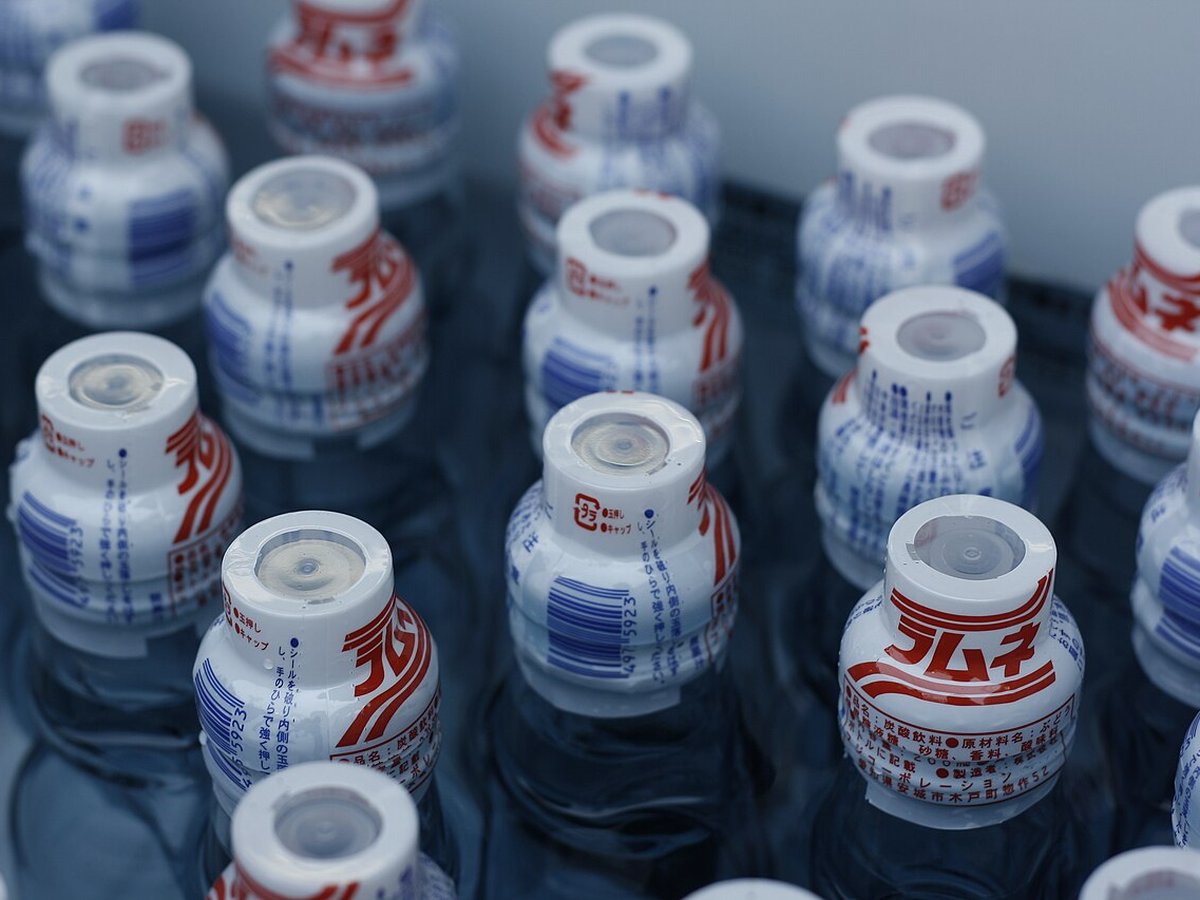
新しく分けられるのは、パックご飯、ラムネなどの飲み物、インスタントのみそ汁、めんつゆなどのしょうゆを使った食品、冷凍のピザやたこ焼き、こんにゃく、カキのむき身、カキフライ、干したホタテの9つだ。どれも海外で人気が高く、これから輸出が増えると期待されている。ラムネは、特徴のある容器が海外でも人気だという。こんにゃくはカロリーが低いので、健康を大切にする欧米の人たちに好まれているという。
米の食品では、韓国が先を行く
品目を選ぶために、農林水産省は委員による検討会を3月と6月に開き、食品の会社や団体の意見も聞いてきた。検討会では、米を使った食品の輸出について、日本は韓国より遅れていることや、韓国では米の統計の分け方が日本より多いことも説明された。
委員からは、「どの品目がどの国にどれくらい輸出されているかがわかれば、輸出を始めようとする会社を後押しできる」という声が出た。一方で、輸出のときの手続きが複雑にならないようにする必要がある、という意見もあった。農林水産省は、これからも輸出に必要な情報を集めて、分析していく方針だ。
Words in this article
The 47 words at JLPT N2 or above, and the specialist words that are on no JLPT list.
| Word | Reading | Meaning | JLPT |
|---|---|---|---|
| パックご飯 | パックごはん | packaged precooked rice | Not on JLPT lists |
| インスタント | instant (food) | Not on JLPT lists | |
| みそ汁 | みそしる | miso soup | Not on JLPT lists |
| ラムネ | ramune (Japanese soda in a marble-stoppered bottle) | Not on JLPT lists | |
| まとめる | to compile; to put together | N2 | |
| 貿易統計 | ぼうえきとうけい | trade statistics | Not on JLPT lists |
| 統計 | とうけい | statistics | N2 |
| 品目 | ひんもく | item; category of goods | Not on JLPT lists |
| 農産物 | のうさんぶつ | farm products | N2 |
| 水産物 | すいさんぶつ | fishery products | Not on JLPT lists |
| 伸び続けている | のびつづけている | keeps growing (from 伸び続ける) | Not on JLPT lists |
| 輸出額 | ゆしゅつがく | value of exports | Not on JLPT lists |
| 兆 | ちょう | trillion (1兆 = 1 trillion) | Not on JLPT lists |
| 増え | ふえ | increasing, and (stem of 増える) | Not on JLPT lists |
| 更新した | こうしんした | renewed; broke (a record) (past of 更新する) | Not on JLPT lists |
| 日本食 | にほんしょく | Japanese food | Not on JLPT lists |
| なった | became (past of なる) | Not on JLPT lists | |
| 来た | きた | came (past of 来る) | Not on JLPT lists |
| 旅行者 | りょこうしゃ | traveler; tourist | Not on JLPT lists |
| 挙げられている | あげられている | are given (as reasons) (from 挙げる) | N2 from 挙げる |
| 目指している | めざしている | is aiming for (from 目指す) | N2 from 目指す |
| 売り方 | うりかた | way of selling | Not on JLPT lists |
| 分け方 | わけかた | way of dividing; breakdown | Not on JLPT lists |
| 大まか | おおまか | rough; broad | Not on JLPT lists |
| 米粉 | こめこ | rice flour | Not on JLPT lists |
| 含めて | ふくめて | including (te-form of 含める) | N2 from 含める |
| ただし | however; but | N2 | |
| 容器 | ようき | container | N2 |
| 方針 | ほうしん | policy; plan | N2 |
| めんつゆ | noodle dipping sauce | Not on JLPT lists | |
| しょうゆ | soy sauce | Not on JLPT lists | |
| 冷凍 | れいとう | frozen; freezing | N2 |
| ピザ | pizza | Not on JLPT lists | |
| たこ焼き | たこやき | takoyaki (octopus dumplings) | Not on JLPT lists |
| こんにゃく | konnyaku (devil's tongue jelly) | Not on JLPT lists | |
| カキ | oyster | Not on JLPT lists | |
| むき身 | むきみ | shelled meat (of shellfish) | Not on JLPT lists |
| カキフライ | fried oysters | Not on JLPT lists | |
| 干した | ほした | dried (past of 干す) | N2 from 干す |
| ホタテ | scallop | Not on JLPT lists | |
| カロリー | calorie | N2 | |
| 人たち | ひとたち | people | Not on JLPT lists |
| 検討会 | けんとうかい | study panel; review meeting | Not on JLPT lists |
| 開き | ひらき | holding, and (stem of 開く) | Not on JLPT lists |
| 始めよう | はじめよう | to try to start (volitional of 始める) | Not on JLPT lists |
| 後押し | あとおし | backing; support | Not on JLPT lists |
| 手続き | てつづき | procedure; paperwork | N2 |
85 more words from lower levels, plus names, numbers and grammar
| Word | Reading | Meaning | JLPT |
|---|---|---|---|
| 農林水産省 | のうりんすいさんしょう | Ministry of Agriculture, Forestry and Fisheries | Name |
| ご飯 | ごはん | cooked rice; meal | N5 |
| 飲み物 | のみもの | drink; beverage | N5 |
| 海外 | かいがい | overseas; abroad | N3 |
| 輸出 | ゆしゅつ | export | N4 |
| 輸出されている | ゆしゅつされている | is being exported (from 輸出する) | N4 from 輸出 |
| 来年 | らいねん | next year | N5 |
| 正確 | せいかく | accurate; exact | N3 |
| 正確に | せいかくに | accurately; exactly | N3 from 正確 |
| もっと | more | N5 | |
| なる | to become | N5 | |
| 知る | しる | to know; to find out | N5 |
| 発表した | はっぴょうした | announced (past of 発表する) | N3 from 発表 |
| 財務省 | ざいむしょう | Ministry of Finance | Name |
| 9つ | ここのつ | nine (things) | Number |
| 新しく | あたらしく | newly (from 新しい) | N5 from 新しい |
| 分けて | わけて | separating, and (te-form of 分ける) | N3 from 分ける |
| 分ける | わける | to divide; to separate | N3 |
| 数えられる | かぞえられる | to be counted (from 数える) | N3 from 数える |
| 数えられている | かぞえられている | is counted (from 数える) | N3 from 数える |
| 分けられる | わけられる | to be divided (from 分ける) | N3 from 分ける |
| 連続 | れんぞく | in a row; consecutive | N3 |
| 最高 | さいこう | highest; best | N3 |
| 日本 | にほん | Japan | Name |
| など | and so on; such as | Grammar | |
| 食品 | しょくひん | food; food products | N3 |
| 前 | まえ | before; previous | N5 |
| 12.8% | じゅうにてんはちパーセント | 12.8 percent | Number |
| 増える | ふえる | to increase | N4 |
| 増えた | ふえた | increased (past of 増える) | N4 from 増える |
| 関心 | かんしん | interest | N3 |
| 強く | つよく | strong (adverbial form of 強い) | N5 from 強い |
| 外国人 | がいこくじん | foreigner | N5 |
| 味 | あじ | taste; flavor | N4 |
| 知った | しった | got to know (past of 知る) | N5 from 知る |
| 理由 | りゆう | reason | N4 |
| 政府 | せいふ | government | N3 |
| 目標 | もくひょう | target; goal | N3 |
| 遠い | とおい | far | N5 |
| 国 | くに | country | N5 |
| 売れている | うれている | is selling (well) (from 売れる) | N3 from 売れる |
| 細かく | こまかく | in detail (from 細かい) | N4 from 細かい |
| 細かい | こまかい | detailed; small | N4 |
| 調べて | しらべて | looking into, and (te-form of 調べる) | N4 from 調べる |
| 考える | かんがえる | to think about; to consider | N4 |
| 必要 | ひつよう | necessary; need | N4 |
| 数 | かず | number | N3 |
| 今 | いま | now; current | N5 |
| 輸入 | ゆにゅう | import | N4 |
| 比べて | くらべて | compared (te-form of 比べる) | N4 from 比べる |
| 数字 | すうじ | figure; number | N3 |
| 米 | こめ | rice | N4 |
| 使った | つかった | used; made with (past of 使う) | N5 from 使う |
| 特徴 | とくちょう | distinctive feature | N3 |
| ある | to have; to be | N5 | |
| いく | to go on (doing) | Grammar | |
| 31.0% | さんじゅってんゼロパーセント | 31.0 percent | Number |
| 人気 | にんき | popularity | N3 |
| 高く | たかく | high, and (from 高い) | N5 from 高い |
| 期待されている | きたいされている | is expected (from 期待する) | N3 from 期待 |
| 低い | ひくい | low | N5 |
| 健康 | けんこう | health | N3 |
| 大切 | たいせつ | important; precious (大切にする = to take care of) | N5 |
| する | to do | N5 | |
| 欧米 | おうべい | Europe and America; the West | Name |
| 好まれている | このまれている | is liked (from 好む) | N3 from 好む |
| 韓国 | かんこく | South Korea | Name |
| 先 | さき | ahead; the front | N5 |
| 行く | いく | to go | N5 |
| 遅れている | おくれている | is behind (from 遅れる) | N4 from 遅れる |
| 選ぶ | えらぶ | to choose | N4 |
| 委員 | いいん | committee member | N3 |
| 会社 | かいしゃ | company | N5 |
| 団体 | だんたい | organization; group | N3 |
| 意見 | いけん | opinion | N4 |
| 聞いてきた | きいてきた | has been listening to (from 聞く) | N5 from 聞く |
| 多い | おおい | many | N5 |
| 説明された | せつめいされた | was explained (from 説明する) | N4 from 説明 |
| 声 | こえ | voice; comment | N5 |
| 出た | でた | came out (past of 出る) | N5 from 出る |
| 一方 | いっぽう | on the other hand | N3 |
| 複雑 | ふくざつ | complicated | N4 |
| 情報 | じょうほう | information | N3 |
| 集めて | あつめて | collecting, and (te-form of 集める) | N4 from 集める |
| 分析して | ぶんせきして | analyzing (te-form of 分析する) | N3 from 分析 |
Questions
Try answering in Japanese, then open the answer to check yourself. In the reader, your answers and score are saved.
- 来年1月から、どんなことがわかるようになりますか。
Show answer
パックご飯やインスタントのみそ汁、ラムネなどの飲み物が、海外にどれだけ輸出されているかが、正確にわかるようになります。
How much packaged rice, instant miso soup, and carbonated drinks such as ramune are exported overseas will be known accurately.
- 2025年の農産物や水産物、食品などの輸出額は、いくらでしたか。前の年と比べてどうでしたか。
Show answer
1兆7,005億円でした。前の年より12.8%増え、13年連続でこれまでの最高を更新しました。
It was 1.7005 trillion yen. It rose 12.8% from the year before and set a new record for the 13th year in a row.
- 政府は、輸出についてどんな目標を目指していますか。
Show answer
「2030年に5兆円」という目標を目指しています。
It is aiming for a target of 5 trillion yen in 2030.
- 今の貿易統計では、なぜパックご飯だけの輸出額がわからないのですか。
Show answer
パックご飯は、米を使ったほかの食品や米粉も含めて、「パックご飯など」として数えられているからです。
Because packaged rice is counted together with other rice-based foods and rice flour as "packaged rice, etc."
- こんにゃくは、なぜ欧米で好まれているのですか。
Show answer
カロリーが低いので、健康を大切にする欧米の人たちに好まれています。
Because it is low in calories, it is liked by people in Europe and America who care about their health.
- 検討会では、韓国と比べて、どんなことが説明されましたか。
Show answer
米を使った食品の輸出について、日本は韓国より遅れていることや、韓国では米の統計の分け方が日本より多いことが説明されました。
It was explained that Japan is behind South Korea in exporting rice-based foods, and that South Korea divides its rice statistics into more categories than Japan does.
- あなたの国では、日本の食品をよく見ますか。どんな日本の食品が人気が高いと思いますか。
Example answer
(例)私の国では、スーパーでインスタントのみそ汁やしょうゆをよく見ます。日本食は健康にいいと思われているので、こんにゃくやパックご飯も人気が高いと思います。
(Example) In my country I often see instant miso soup and soy sauce in supermarkets. Japanese food is thought to be healthy, so I think konnyaku and packaged rice are popular too.
If you're new to Japanese, the Textbook teaches it step by step from zero. If you can't read kana yet, start with Starter.
Start from zero Lesson 1 (N5)More N2 reading
- 9月の宿泊、2.6%減――外国からの客は地方で増えた県も 2026年11月19日
- 「名工」に141人――職人の技能を、次の時代へ 2026年11月18日
- 宅配便、1年で51億6178万個に――増える荷物と足りない運転手 2026年11月17日
- 鳥インフルエンザ、今シーズンも野鳥から――国は監視を「レベル3」に 2026年11月11日
- 南極観測へ「しらせ」があす出発――冬を越すのは29人 2026年11月10日
- 夏のボーナス、平均44万8765円に――仕事の種類で金額に大きな差 2026年11月9日