Reading › N2 › 熱中症で運ばれた人、この夏は77,638人――65歳以上が過半数
熱中症で運ばれた人、この夏は77,638人――65歳以上が過半数
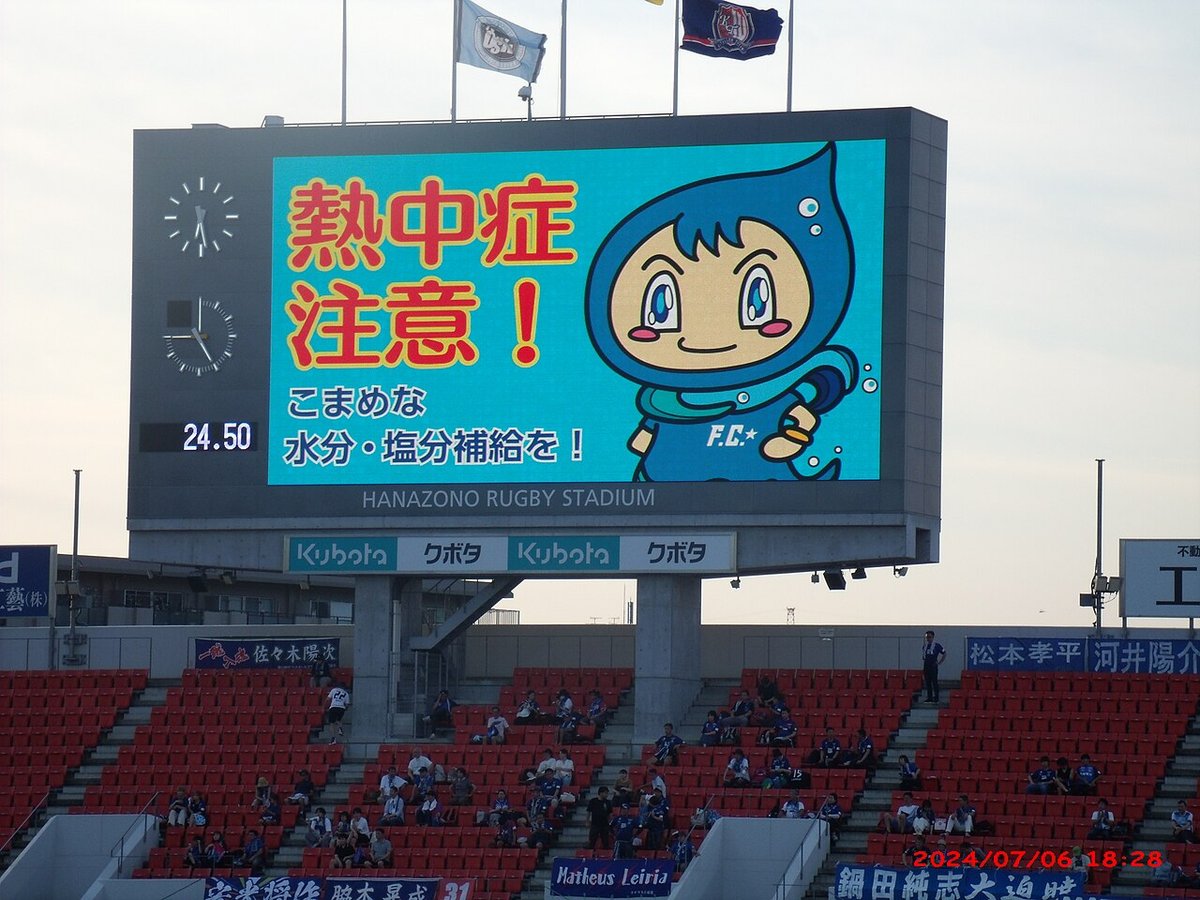
Written for learners with AI assistance, based on: 総務省消防庁 · original source ↗
In the reader you can tap any word to see its reading, meaning and JLPT level, save the ones you don't know, and quiz yourself on them.
Open in the reader消防庁は10月28日、今年の5月から9月までに熱中症で救急車で運ばれた人の数を公表した。全国の合計は77,638人で、調査を始めた平成20年以降、5番目に多かった。去年の同じ期間の100,510人と比べると、22,872人少なかった。
7月がいちばん多く、5月も目立った
月ごとに見ると、最も多かったのは7月の41,174人で、これまでで3番目に多い数だった。比較的涼しいはずの5月も4,176人と、過去2番目の多さが目立った。体がまだ暑さに慣れていない時期に気温が急に上がると、熱中症になりやすいと言われている。
一方、8月は24,956人、9月は3,268人で、どちらも去年を下回った。特に9月は、去年の9,766人の3分の1ほどだった。
過半数がお年寄り、4割は住居で
年齢別では、65歳以上のお年寄りが46,345人で、全体の59.7%と過半数を占めた。18歳以上65歳未満の大人は31.6%、7歳以上18歳未満の子どもは8.2%だった。
病院で最初に診断を受けたときの状態を見ると、入院が必要な人は39.7%だった。そのうち、症状が重く、3週間以上の入院が必要な人は2,055人いた。また、最初の診断のときに死亡が確認された人も120人いた。
熱中症が起きた場所で最も多かったのは住居、つまり家の中や敷地の中で、30,718人(39.6%)だった。次が道路の16,080人(20.7%)で、競技場や駅のホームなど、多くの人が出入りする屋外の場所が11.0%、道路の工事現場や工場などの仕事場が9.7%と続いた。
家の中でも油断しないで
熱中症は、日差しの強い屋外だけで起きるのではない。蒸し暑い部屋に長くいるだけでも、めまいや吐き気が出ることがある。特にお年寄りは暑さやのどの渇きを感じにくく、扇風機だけで我慢してしまうことも多いと言われる。
熱中症を防ぐには、こまめに水分をとることだ。部屋の温度や湿度に注意して、エアコンで体を冷やすことも大切だ。来年の夏に向けて、家族や近所のお年寄りに声をかけることも、熱中症を防ぐ一つの方法だろう。
Words in this article
The 40 words at JLPT N2 or above, and the specialist words that are on no JLPT list.
| Word | Reading | Meaning | JLPT |
|---|---|---|---|
| 熱中症 | ねっちゅうしょう | heatstroke; heat illness | Not on JLPT lists |
| 過半数 | かはんすう | majority; more than half | N2 |
| お年寄り | おとしより | elderly person; senior | Not on JLPT lists |
| 救急車 | きゅうきゅうしゃ | ambulance | Not on JLPT lists |
| 公表した | こうひょうした | made public; announced (past of 公表する) | N2 from 公表 |
| 以降 | いこう | since; from ... onward | N2 |
| 目立った | めだった | stood out (past of 目立つ) | N2 from 目立つ |
| 月ごと | つきごと | month by month; each month | Not on JLPT lists |
| これまで | until now; so far | Not on JLPT lists | |
| 比較的 | ひかくてき | relatively; comparatively | N2 |
| はず | should be; is expected to be | Not on JLPT lists | |
| なりやすい | easily becomes; is prone to (from なる) | Not on JLPT lists | |
| 下回った | したまわった | fell below (past of 下回る) | Not on JLPT lists |
| 住居 | じゅうきょ | dwelling; residence | N2 |
| 未満 | みまん | under; less than | N2 |
| 子ども | こども | child; children | Not on JLPT lists |
| 診断 | しんだん | diagnosis; medical examination | N2 |
| とき | when; time | Not on JLPT lists | |
| そのうち | of those; among them | Not on JLPT lists | |
| 敷地 | しきち | grounds; premises (of a house) | N2 |
| 競技場 | きょうぎじょう | stadium; sports ground | Not on JLPT lists |
| 出入りする | でいりする | to go in and out | N2 from 出入り |
| 出入り | でいり | going in and out; coming and going | N2 |
| 屋外 | おくがい | outdoors; open air | N2 |
| 工事 | こうじ | construction work | N2 |
| 仕事場 | しごとば | workplace | Not on JLPT lists |
| 油断しないで | ゆだんしないで | don't let your guard down (from 油断する) | Not on JLPT lists |
| 日差し | ひざし | sunlight; the sun's rays | N2 |
| 蒸し暑い | むしあつい | hot and humid | N2 |
| めまい | dizziness | Not on JLPT lists | |
| 吐き気 | はきけ | nausea | N2 |
| 渇き | かわき | thirst | Not on JLPT lists |
| 感じにくく | かんじにくく | find it hard to feel, and (from 感じる) | Not on JLPT lists |
| 扇風機 | せんぷうき | electric fan | N2 |
| こまめに | frequently; diligently | Not on JLPT lists | |
| 水分 | すいぶん | water; fluids | N2 |
| とる | to take (in) | Not on JLPT lists | |
| 湿度 | しつど | humidity | N2 |
| エアコン | air conditioner | Not on JLPT lists | |
| 冷やす | ひやす | to cool | N2 |
99 more words from lower levels, plus names, numbers and grammar
| Word | Reading | Meaning | JLPT |
|---|---|---|---|
| 運ばれた | はこばれた | was carried; was taken (passive past of 運ぶ) | N4 from 運ぶ |
| この | this | N5 | |
| 夏 | なつ | summer | N5 |
| 消防庁 | しょうぼうちょう | Fire and Disaster Management Agency | Name |
| 今年 | ことし | this year | N5 |
| 数 | かず | number | N3 |
| 全国 | ぜんこく | the whole country; nationwide | N3 |
| 合計 | ごうけい | total | N3 |
| 調査 | ちょうさ | survey; investigation | N3 |
| 始めた | はじめた | began (past of 始める) | N4 from 始める |
| 平成20年 | へいせいにじゅうねん | Heisei 20 (2008) | Name |
| 5番目 | ごばんめ | fifth | Number |
| 多かった | おおかった | was many; was large (past of 多い) | N5 from 多い |
| 多い | おおい | many; numerous | N5 |
| 去年 | きょねん | last year | N5 |
| 同じ | おなじ | same | N5 |
| 期間 | きかん | period | N3 |
| 比べる | くらべる | to compare | N4 |
| 少なかった | すくなかった | was few; was fewer (past of 少ない) | N5 from 少ない |
| いちばん | the most; number one | N5 | |
| 見る | みる | to look at; to see | N5 |
| 最も | もっとも | most | N4 |
| 3番目 | さんばんめ | third | Number |
| 涼しい | すずしい | cool | N5 |
| 過去 | かこ | the past | N3 |
| 2番目 | にばんめ | second | Number |
| 多さ | おおさ | large number; abundance | N5 from 多い |
| 体 | からだ | body | N5 |
| まだ | still; not yet | N5 | |
| 暑さ | あつさ | heat | N5 from 暑い |
| 慣れていない | なれていない | is not used to (from 慣れる) | N4 from 慣れる |
| 時期 | じき | time; period; season | N3 |
| 気温 | きおん | air temperature | N3 |
| 急に | きゅうに | suddenly | N3 |
| 上がる | あがる | to go up; to rise | N4 |
| 言われている | いわれている | it is said (from 言う) | N5 from 言う |
| 一方 | いっぽう | on the other hand | N3 |
| どちら | which; either (どちらも = both) | N5 | |
| 特に | とくに | especially | N4 |
| 3分の1 | さんぶんのいち | one third | Number |
| ほど | about; roughly | Grammar | |
| 4割 | よんわり | 40 percent | Number |
| 年齢 | ねんれい | age | N3 |
| 別 | べつ | by (category); separately | N4 |
| 以上 | いじょう | or more; and above | N4 |
| 全体 | ぜんたい | the whole; total | N3 |
| 占めた | しめた | made up; accounted for (past of 占める) | N3 from 占める |
| 大人 | おとな | adult | N5 |
| 病院 | びょういん | hospital | N5 |
| 最初 | さいしょ | first; beginning | N4 |
| 受けた | うけた | received (past of 受ける) | N4 from 受ける |
| 状態 | じょうたい | condition; state | N3 |
| 入院 | にゅういん | hospitalization; being admitted to hospital | N4 |
| 必要 | ひつよう | necessary; need | N4 |
| 症状 | しょうじょう | symptoms; condition | N3 |
| 重く | おもく | serious, and (from 重い) | N5 from 重い |
| 3週間 | さんしゅうかん | three weeks | Number |
| また | also; in addition | N5 | |
| 死亡 | しぼう | death | N3 |
| 確認された | かくにんされた | was confirmed (passive past of 確認する) | N3 from 確認 |
| 起きた | おきた | happened; occurred (past of 起きる) | N5 from 起きる |
| 起きる | おきる | to happen; to occur | N5 |
| 場所 | ばしょ | place | N4 |
| つまり | in other words; that is | N3 | |
| 家 | いえ | house; home | N5 |
| 中 | なか | inside | N5 |
| 次 | つぎ | next | N5 |
| 道路 | どうろ | road | N3 |
| 駅 | えき | station | N5 |
| ホーム | (station) platform | N3 | |
| など | and so on; such as | Grammar | |
| 多く | おおく | many | N5 from 多い |
| 現場 | げんば | site; scene | N3 |
| 工場 | こうじょう | factory | N4 |
| 続いた | つづいた | followed; continued (past of 続く) | N4 from 続く |
| 強い | つよい | strong | N5 |
| 部屋 | へや | room | N5 |
| 長く | ながく | for a long time (from 長い) | N5 from 長い |
| いる | to be; to stay | Grammar | |
| 出る | でる | to come out; to appear | N5 |
| こと | thing; (ことがある = sometimes happens) | Grammar | |
| のど | throat | N4 | |
| 我慢して | がまんして | putting up with it (te-form of 我慢する) | N3 from 我慢 |
| しまう | to end up (doing) | N3 | |
| 防ぐ | ふせぐ | to prevent; to protect against | N3 |
| 温度 | おんど | temperature | N3 |
| 注意して | ちゅういして | paying attention to (te-form of 注意する) | N4 from 注意 |
| 注意 | ちゅうい | caution; attention | N4 |
| 言われる | いわれる | it is said (passive of 言う) | N5 from 言う |
| 大切 | たいせつ | important | N5 |
| 来年 | らいねん | next year | N5 |
| 向けて | むけて | toward; ahead of (from 向ける) | N3 from 向ける |
| 家族 | かぞく | family | N5 |
| 近所 | きんじょ | neighborhood | N4 |
| 声 | こえ | voice | N5 |
| かける | to call out (声をかける = to speak to; to check on someone) | N5 | |
| 一つ | ひとつ | one | N5 |
| 方法 | ほうほう | way; method | N3 |
| だろう | probably; I think | Grammar |
Questions
Try answering in Japanese, then open the answer to check yourself. In the reader, your answers and score are saved.
- 今年の5月から9月までに、熱中症で救急車で運ばれた人は全国で何人でしたか。去年と比べてどうでしたか。
Show answer
全国の合計は77,638人でした。去年の同じ期間の100,510人と比べると、22,872人少なかったです。
77,638 people nationwide. That was 22,872 fewer than the 100,510 in the same period last year.
- 5月に運ばれた人の数は、過去と比べてどうでしたか。
Show answer
4,176人で、過去2番目の多さでした。
There were 4,176 people, the second-highest number on record.
- 体がまだ暑さに慣れていない時期に気温が急に上がると、どうなりやすいと言われていますか。
Show answer
熱中症になりやすいと言われています。
It is said that people easily get heatstroke.
- 運ばれた人の中で、65歳以上のお年寄りは全体の何%でしたか。
Show answer
46,345人で、全体の59.7%でした。過半数を占めました。
46,345 people, or 59.7% of the total — more than half.
- 熱中症が起きた場所で最も多かったのはどこですか。2番目はどこですか。
Show answer
最も多かったのは住居(家の中や敷地の中)で、2番目は道路でした。
The most common place was the home (inside the house or on its grounds); the second was the road.
- お年寄りが家の中でも熱中症になりやすいのは、なぜだと言われていますか。
Show answer
お年寄りは暑さやのどの渇きを感じにくく、扇風機だけで我慢してしまうことも多いと言われているからです。
Because older people are said to have trouble feeling heat and thirst, and often just put up with it using only an electric fan.
- あなたは、暑い日に熱中症を防ぐために、どんなことに注意していますか。
Example answer
(例)暑い日は、のどが渇く前にこまめに水分をとっています。夜もエアコンを使って、部屋の温度に注意しています。
(Example) On hot days I drink water often, before I get thirsty. I also use the air conditioner at night and pay attention to the room temperature.
If you're new to Japanese, the Textbook teaches it step by step from zero. If you can't read kana yet, start with Starter.
Start from zero Lesson 1 (N5)More N2 reading
- 9月の宿泊、2.6%減――外国からの客は地方で増えた県も 2026年11月19日
- 「名工」に141人――職人の技能を、次の時代へ 2026年11月18日
- 宅配便、1年で51億6178万個に――増える荷物と足りない運転手 2026年11月17日
- 鳥インフルエンザ、今シーズンも野鳥から――国は監視を「レベル3」に 2026年11月11日
- 南極観測へ「しらせ」があす出発――冬を越すのは29人 2026年11月10日
- 夏のボーナス、平均44万8765円に――仕事の種類で金額に大きな差 2026年11月9日