Reading › N5 › 七五三で、子どもが浅草神社へ行きます
七五三で、子どもが浅草神社へ行きます
Written for learners with AI assistance, based on: 浅草神社 · original source ↗
In the reader you can tap any word to see its reading, meaning and JLPT level, save the ones you don't know, and quiz yourself on them.
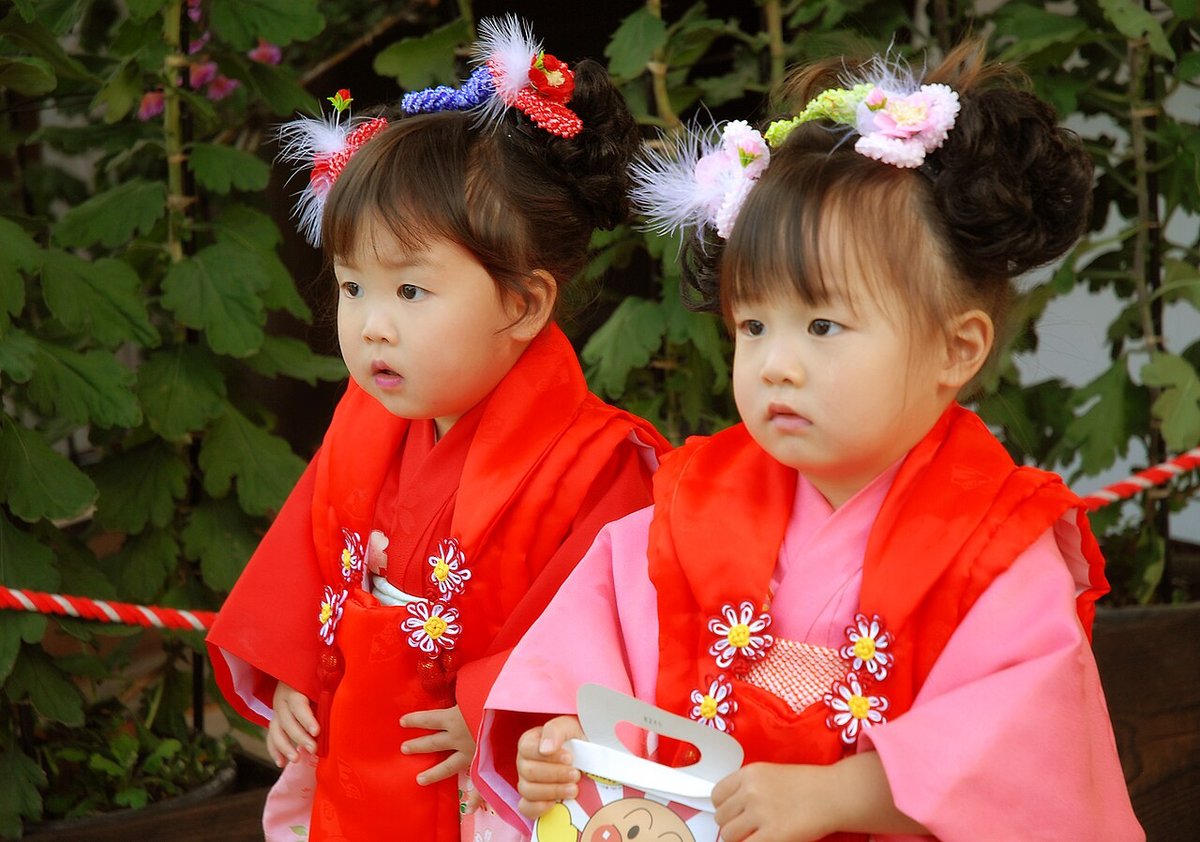
Open in the reader秋になると、東京の浅草神社に、きれいな服の子どもがたくさん来ます。七五三で、子どもが来ます。家族も一緒です。
七五三のとき、3歳と5歳と7歳の子どもが、浅草神社に行きます。子どもは、元気に大きくなりました。家族は、そこで「ありがとう」と言います。
どうして、3歳と5歳と7歳ですか。3歳の子どもは、一人で歩きます。5歳の子どもは、とても元気で、よく走ります。7歳の子どもは、学校に入ります。お父さんとお母さんには、どれも大切な年です。
浅草神社では、10月1日から11月まで、のぼりが40本並びます。のぼりには、子どもの名前が書いてあります。のぼりは、1本5000円です。
土曜日と日曜日は、浅草神社に人がとても多いです。1つの家族で、10人までです。浅草神社の中の七五三は、15分から20分ぐらいです。中では、写真をとらないでください。
Words in this article
The 41 words at JLPT N5 or above, and the specialist words that are on no JLPT list.
| Word | Reading | Meaning | JLPT |
|---|---|---|---|
| 秋 | あき | autumn; fall | N5 |
| なると | when it becomes (from なる) | N5 from なる | |
| なる | to become | N5 | |
| きれいな | pretty; beautiful | N5 from きれい | |
| 服 | ふく | clothes | N5 |
| 子ども | こども | child; children | Not on JLPT lists |
| たくさん | many; a lot | N5 | |
| 来ます | きます | come (polite of 来る) | Not on JLPT lists |
| 家族 | かぞく | family | N5 |
| 行きます | いきます | go (polite of 行く) | N5 from 行く |
| 元気に | げんきに | healthily; in good health | N5 from 元気 |
| 元気 | げんき | healthy; lively; full of energy | N5 |
| 大きく | おおきく | big (adverb form of 大きい) | N5 from 大きい |
| なりました | became (polite past of なる) | N5 from なる | |
| 言います | いいます | say (polite of 言う) | N5 from 言う |
| どうして | why | N5 | |
| 一人で | ひとりで | alone; by oneself | N5 from 一人 |
| 歩きます | あるきます | walk (polite of 歩く) | N5 from 歩く |
| とても | very | N5 | |
| よく | a lot; often | N5 | |
| 走ります | はしります | run (polite of 走る) | N5 from 走る |
| 学校 | がっこう | school | N5 |
| 入ります | はいります | enter (polite of 入る) | N5 from 入る |
| お父さん | おとうさん | father | N5 |
| お母さん | おかあさん | mother | N5 |
| には | for; to (with emphasis) | Not on JLPT lists | |
| どれも | every one; all of them | N5 from どれ | |
| 大切な | たいせつな | important; precious | N5 from 大切 |
| では | at; in (with emphasis) | N5 | |
| のぼり | tall banner (flag hung at a shrine) | Not on JLPT lists | |
| 並びます | ならびます | stand in a row (polite of 並ぶ) | N5 from 並ぶ |
| 名前 | なまえ | name | N5 |
| 書いてあります | かいてあります | is written (from 書く) | Not on JLPT lists |
| 多い | おおい | many; a lot | N5 |
| 中 | なか | inside | N5 |
| 写真 | しゃしん | photo | N5 |
| とらないでください | please do not take (from とる) | Not on JLPT lists | |
| とき | when; time | Not on JLPT lists | |
| そこ | there | N5 | |
| 大きく | おおきく | big (adverb of 大きい) | N5 from 大きい |
| 一緒 | いっしょ | together | N5 |
22 more words from lower levels, plus names, numbers and grammar
| Word | Reading | Meaning | JLPT |
|---|---|---|---|
| に | in; at; to | Grammar | |
| 東京 | とうきょう | Tokyo | Name |
| の | 's; of | Grammar | |
| 浅草神社 | あさくさじんじゃ | Asakusa Shrine (a shrine in Asakusa, Tokyo) | Name |
| 浅草 | あさくさ | Asakusa (an old part of Tokyo) | Name |
| が | (subject marker) | Grammar | |
| と | and; with | Grammar | |
| 七五三 | しちごさん | Shichi-Go-San (shrine visit for children aged 3, 5 and 7) | Name |
| は | (topic marker) | Grammar | |
| です | is; am; are (polite) | Grammar | |
| で | at; in; by | Grammar | |
| ありがとう | thank you | Phrase | |
| ですか | is it? (polite question) | Grammar | |
| から | from | Grammar | |
| まで | until; up to | Grammar | |
| 40本 | よんじゅっぽん | 40 (banners) | Number |
| 1本 | いっぽん | one (banner) | Number |
| 土曜日 | どようび | Saturday | Name |
| 日曜日 | にちようび | Sunday | Name |
| 1つ | ひとつ | one | Number |
| ぐらい | about; around | Grammar | |
| を | (object marker) | Grammar |
Questions
Try answering in Japanese, then open the answer to check yourself. In the reader, your answers and score are saved.
- 七五三のとき、何歳の子どもが浅草神社に行きますか。
Show answer
3歳と5歳と7歳の子どもです。
Children aged 3, 5 and 7.
- どうして、7歳の子どもも浅草神社に行きますか。
Show answer
7歳の子どもは、学校に入りますから。
Because 7-year-old children start school.
- 浅草神社ののぼりには、何が書いてありますか。
Show answer
子どもの名前が書いてあります。
The children's names are written on them.
- 土曜日と日曜日は、1つの家族で何人までですか。
Show answer
10人までです。
Up to 10 people.
- あなたの国では、子どもが大きくなったとき、何をしますか。
Example answer
家族で一緒に、写真をとります。
The family takes photos together.
If you're new to Japanese, the Textbook teaches it step by step from zero. If you can't read kana yet, start with Starter.
Start from zero Lesson 1 (N5)More N5 reading
- あしたから、札幌の町に電気がつきます 2026年11月19日
- あした、浅草の酉の市の店へ行きませんか 2026年11月18日
- 18日の朝、空を見ませんか 2026年11月17日
- 夜の東の空で、火星と木星が近くに 2026年11月11日
- 冬のカニを取る仕事が始まりました 2026年11月10日
- 11月9日は「119番の日」です 2026年11月9日